

Pest Tips · March 23, 2026
Common Spring Pests: What to Watch for as Temperatures Rise
As winter fades and temperatures climb, pest activity ramps up fast, especially in warmer climates. Here's what to watch for, how they get in, and how to stay ahead of spring infestations.

Table of contents
As winter fades and temperatures begin to climb, pest activity increases across many regions, especially in warmer climates like Florida, Texas, and South Carolina. Spring creates the perfect environment for pests to reproduce, forage, and expand their presence around homes and businesses. What may have seemed like a quiet winter can quickly shift into noticeable pest pressure both inside and outside the home.
During this seasonal transition, many pests become more aggressive in their search for food, water, and shelter. Homes often provide all three, making them a prime target. As pest control professionals we tend to see early spring as the most common time homeowners first begin noticing signs of heavy activity.
Understanding common spring pests and knowing what to watch out for in the coming months can help homeowners stay ahead of potential infestations. Small warning signs often appear early, and recognizing them can make a significant difference in preventing larger problems.
Why does pest activity increase in spring?
Spring brings a combination of warmth, moisture, and longer daylight hours. These conditions naturally trigger pest activity after the slower winter months. Many insects enter a period of reduced activity during colder weather, but once temperatures rise, their metabolism and movement increase rapidly.
Several factors contribute to this seasonal increase:
- Rising temperatures speed up insect life cycles, allowing pests to reproduce faster and in larger numbers
- Increased rainfall creates breeding grounds, especially for pests like mosquitoes and ants that rely on moisture
- Blooming plants provide food sources, attracting insects that then attract larger pests like spiders
- Outdoor activity drives pests closer to homes, where they may find easier access to food and shelter
Spring also kicks off mating and swarm season
Spring often marks the beginning of mating and swarm seasons for certain pests, such as termites. This makes the early part of the season especially important for monitoring activity. What starts as light activity outdoors can quickly transition into indoor issues if entry points and attractants are not addressed early.
What are the most common spring pests?
Different species become active for different reasons, but a familiar lineup shows up year after year. Each of these pests brings its own risks and warning signs, making it important to recognize not just their presence, but the patterns of activity that signal a growing issue.
Ants
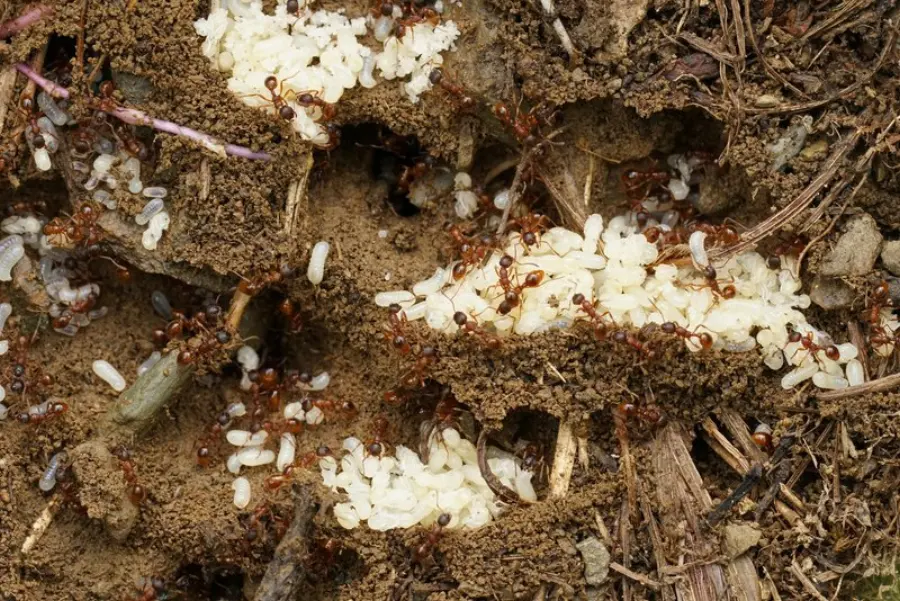
Ants are often one of the first and most noticeable signs of spring pest activity. As the soil warms, entire colonies become active almost overnight, sending worker ants out in search of food and water. Homes provide easy access to both, which is why ants frequently make their way indoors.
What to look for
- Lines of ants along walls, countertops, baseboards, or exterior foundations
- Small piles of dirt or sand near cracks, driveways, or entry points
- Increased activity around kitchens, pantries, and pet food areas
Additional signs and risks
- Sudden spikes in activity after rain
- Ants trailing into wall voids or cabinets
- Multiple entry points forming over time
Termites
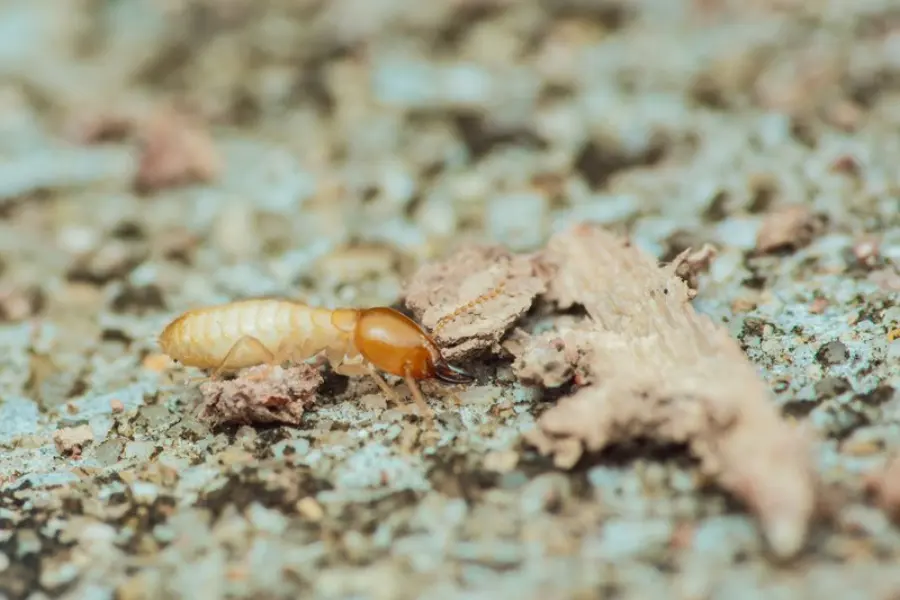
Spring is one of the most important times of year for termite activity. During swarm season, reproductive termites leave their colonies to form new ones, often choosing areas close to homes with accessible wood and moisture.
What to look for
- Swarming insects near windows, doors, or light sources
- Discarded wings on window sills, floors, or near entryways
- Mud tubes along walls, foundations, or crawl spaces
Additional signs and risks
- Hollow-sounding wood when tapped
- Bubbling or uneven paint on walls
- Tight-fitting doors or windows due to structural shifts
Mosquitoes

Mosquito populations begin to rise quickly in spring as temperatures increase and standing water becomes more common. Even small amounts of water can serve as breeding grounds, allowing populations to grow rapidly.
What to look for
- Increased mosquito presence at dusk or dawn
- Standing water in gutters, plant pots, bird baths, or low areas in the yard
- Frequent bites when spending time outdoors
Additional signs and risks
- Buzzing sounds near shaded or humid areas
- Activity around landscaping and dense vegetation
- Increased activity after rainfall
Cockroaches
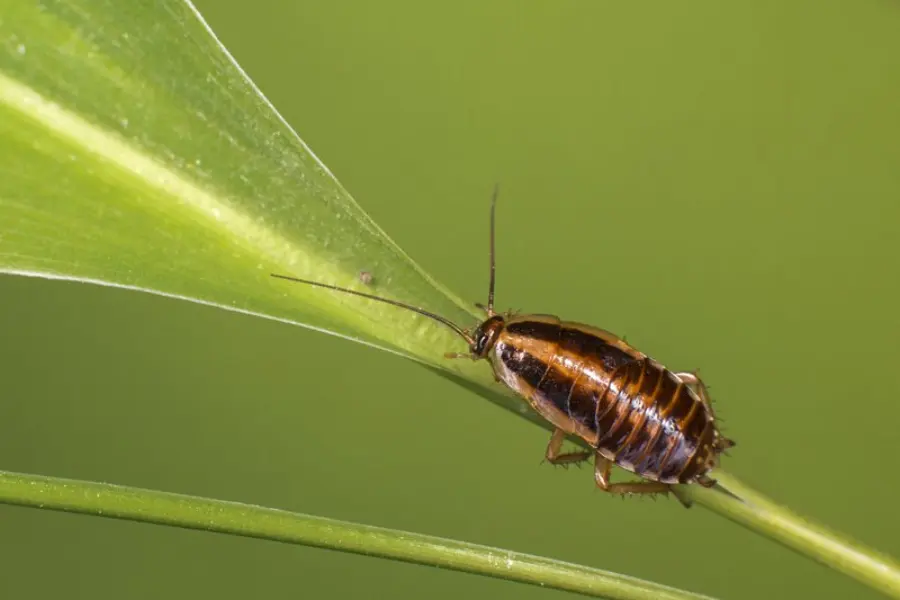
Cockroaches remain active year round in warmer climates, but spring often leads to increased sightings as they search for food, water, and nesting areas. They are highly adaptable and can quickly establish themselves indoors.
What to look for
- Droppings that resemble small black specks or coffee grounds
- Musty or oily odors in cabinets, pantries, or hidden areas
- Sightings in kitchens, bathrooms, garages, or utility rooms
Additional signs and risks
- Egg casings in hidden spaces
- Activity at night when lights are turned on
- Presence near drains or appliances
Fleas

Fleas become more active in spring, especially in homes with pets or nearby wildlife. Warmer temperatures and increased outdoor activity allow fleas to spread between yards, animals, and indoor spaces.
What to look for
- Pets scratching, biting, or grooming excessively
- Small dark insects jumping in carpets, rugs, or furniture
- Bites around ankles, lower legs, or waistlines
Additional signs and risks
- Flea dirt, tiny black specks on pets or bedding
- Infestations in shaded outdoor areas
- Continued activity even after basic cleaning
Spiders

Spider activity increases in spring as their insect prey becomes more abundant. While most spiders are harmless, their presence often signals that other pest populations are also growing.
What to look for
- Webs forming in corners, ceilings, garages, sheds, or outdoor structures
- Increased sightings indoors, especially near windows and entry points
- Egg sacs in hidden or undisturbed areas
Additional signs and risks
- Spiders relocating indoors during weather changes
- Increased web buildup in a short period of time
- Presence in storage areas or cluttered spaces
Wasps

Wasps become increasingly active in spring as they begin building new nests and establishing colonies. Early spring is when queens emerge and start nesting, making this a key time to spot and address activity before populations grow.
What to look for
- Wasps flying in and out of specific areas such as eaves, soffits, or trees
- Small, newly formed nests in corners, rooflines, or outdoor structures
- Increased activity around patios, decks, or trash areas
Additional signs and risks
- Nests growing quickly in size over a short period of time
- Aggressive behavior when nests are disturbed
- Activity near entry points like doors, windows, or garages
Silverfish

Silverfish are less visible than many other common spring pests, but they often become more active as humidity levels rise. These pests thrive in damp, dark environments and are commonly found indoors.
What to look for
- Small, silver or gray insects moving quickly along walls or floors
- Activity in bathrooms, kitchens, laundry rooms, or basements
- Damage to paper products, books, wallpaper, or stored items
Additional signs and risks
- Presence in cardboard boxes, storage bins, or closets
- Yellowish stains or small holes in paper materials
- Increased activity in high humidity areas
How do common spring pests enter your home?
Understanding how common spring pests get inside can help reduce the likelihood of an infestation. In many cases, pests are not forcing their way in, they are simply taking advantage of small vulnerabilities that often go unnoticed.
Pests often enter through
- Small cracks in walls or foundations that develop over time
- Gaps around doors and windows, especially where seals have worn down
- Vents, utility openings, and areas around pipes or wiring
- Items brought indoors, such as plants, firewood, storage boxes, or packages
Additional entry points to watch for
- Garage doors that do not fully seal
- Attic vents or roofline gaps
- Crawl spaces with exposed openings
- Damaged screens on windows or doors
Once they're in, they stay close to food and moisture
Even the smallest openings can provide access, especially for ants, cockroaches, and spiders. Once inside, pests tend to stay close to food and moisture sources, which is why kitchens, bathrooms, and utility areas often become hotspots. Many pests enter during early spring while searching for nesting locations, and if conditions are right, they'll stay active indoors all season.
What conditions attract spring pests?
Spring pests are drawn to environments that provide food, water, and shelter. Homes that offer all three can quickly become ideal environments for pest activity, especially as temperatures rise and pest populations begin expanding.
Common attractants
- Standing water around the property. Clogged gutters, bird baths, plant trays, low areas in the yard
- Unsealed food, crumbs, or spills indoors that provide easy feeding opportunities
- Overgrown landscaping near the home that creates shaded, protected pathways for pests
- Moisture issues such as leaks, humidity, poor drainage, or condensation buildup
Often overlooked attractants
- Pet food or water bowls left out for extended periods
- Trash bins that are not tightly sealed or cleaned regularly
- Outdoor lighting that attracts insects, which then attract spiders and other predators
- Dense mulch, leaf litter, or debris near the foundation that holds moisture
High-risk zones around the home
- Kitchens and pantries where food is easily accessible
- Bathrooms and laundry rooms with consistent moisture
- Garages and storage areas with clutter or cardboard
- Exterior walls with heavy vegetation or poor drainage
Small changes make a big difference
Addressing these conditions can significantly reduce pest activity. Simple changes. Eliminating standing water, trimming back landscaping, and sealing food properly. Can make your home far less attractive to common spring pests. An Integrated Pest Management approach emphasizes reducing these attractants as a primary defense.
How can you prevent common spring pests?
Preventing common spring pests starts with consistent maintenance and awareness. A proactive approach in early spring can reduce the chances of pests becoming established as the season progresses. The goal is to remove what pests need most: access, moisture, food, and shelter.
Think of prevention as a layered approach. The more small steps you take, the harder it becomes for pests to survive and multiply around your home.
Seal entry points
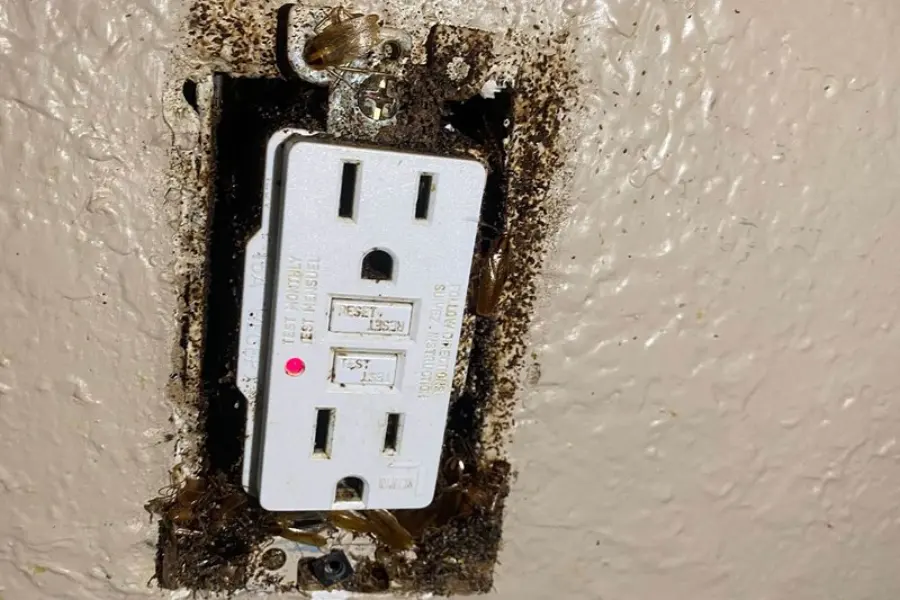
Inspect your home for cracks, gaps, and openings. Sealing these areas can help keep pests from entering before they ever become a problem.
Focus on
- Caulking cracks along foundations, siding, and exterior walls
- Replacing worn weather stripping around doors and windows
- Sealing gaps around pipes, cables, vents, and utility lines
- Repairing torn window screens or damaged vents
Pro tips
- Check door sweeps for gaps along the bottom
- Inspect areas where different building materials meet
- Recheck seals after heavy rain or seasonal shifts
Reduce moisture
Fix leaks, clean gutters, and eliminate standing water. Many pests rely on moisture to survive and reproduce, making water control one of the most effective prevention methods.
Key actions
- Clearing clogged gutters and downspouts to prevent pooling
- Fixing dripping faucets, leaking pipes, and AC condensation issues
- Improving drainage so water flows away from the home
- Reducing indoor humidity when possible
High-priority moisture zones
- Under sinks and around plumbing
- Around HVAC units and water heaters
- Near foundations after rainfall
- Shaded areas of the yard where water collects
Maintain your yard
Trim vegetation away from the home and keep the lawn well maintained. Your yard is often the first place pests establish themselves before moving indoors.
Best practices
- Keep shrubs and branches trimmed at least a few inches away from exterior walls
- Remove yard debris, leaves, and excess mulch that hold moisture
- Avoid stacking wood, lumber, or materials directly against the home
- Keep grass cut and landscaping well managed
Additional tips
- Space out plants to improve airflow and reduce humidity
- Replace overly thick mulch with thinner layers
- Keep decorative items like stones or edging from trapping moisture
Keep a clean interior
Regular cleaning helps eliminate food sources that attract pests and reduces the chances of indoor infestations.
Daily habits
- Wipe down surfaces and clean up spills promptly
- Store food in sealed containers
- Take out trash regularly and clean bins as needed
- Vacuum floors, carpets, and furniture consistently
Extra areas to focus on
- Behind appliances like refrigerators and stoves
- Pantry shelves and pet feeding areas
- Entryways where dirt and debris are tracked inside
Monitor early signs
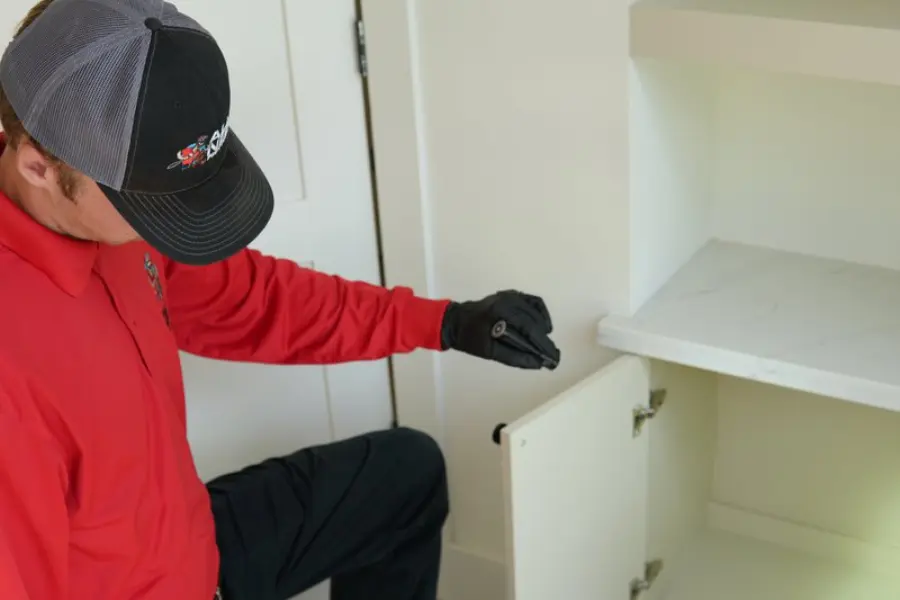
Pay attention to small changes. Increased insect activity, droppings, or unusual markings. Early action can prevent larger infestations.
Watch for
- Sudden increases in pest sightings in specific areas
- New entry points or structural gaps forming
- Bites, irritation, or unexplained pest activity
Early detection checklist
- Check window sills and corners weekly
- Inspect baseboards and cabinets for movement or debris
- Look for signs after rain or temperature spikes
Why early action matters
One of the most important aspects of managing common spring pests is acting early. Many pests reproduce quickly, and what starts as a minor issue can grow into a larger problem within weeks if it isn't addressed.
Spring is when pest populations begin scaling. Colonies are expanding, breeding cycles are accelerating, and new nesting sites are being established.
For example
- Ant colonies can expand rapidly and create multiple satellite nests
- Termites can silently cause structural damage before being noticed
- Fleas can spread throughout an entire home in a short period of time
Benefits of acting early
- Reduces the likelihood of full infestations
- Limits damage to your home or property
- Minimizes recurring pest issues later in the season
- Helps maintain a more consistent, pest-free environment
When should you be concerned?

While occasional pest sightings are normal, certain signs may indicate a larger issue developing behind the scenes. Recognizing these signs early can help prevent a small problem from becoming widespread.
Key warning signs
- Repeated sightings of the same pest in the same area
- Visible damage to wood, walls, or structures
- Persistent bites, itching, or irritation
- Large numbers of insects appearing suddenly or in clusters
Additional red flags
- Pest activity during the daytime when it's usually hidden
- Evidence of nesting such as egg casings, webs, or droppings
- Activity increasing after cleaning or basic prevention efforts
- Multiple types of pests appearing at once
These signs mean pests are already established
When you see these patterns, surface-level solutions usually won't fully resolve the issue. The earlier these warning signs are addressed, the easier it is to prevent long-term problems and ongoing pest pressure.
Staying ahead of spring pest activity
Spring is a time of growth and renewal, but it also marks the beginning of increased pest activity. Staying proactive can make all the difference in keeping your home comfortable and protected throughout the season.
- Regular inspections of both interior and exterior areas
- Addressing small issues before they escalate
- Maintaining consistent preventative habits
- Staying aware of seasonal pest patterns in your area
Understanding common spring pests and knowing what to look out for allows you to respond quickly and effectively. With the right preventative measures and attention to early warning signs, it's possible to reduce pest activity before it becomes overwhelming.
As the season progresses, pest pressure typically increases. Homes that stay proactive early are far less likely to experience major infestations later in spring and into summer. A consistent, preventative approach protects your home and provides peace of mind during one of the most active pest seasons of the year.
If they're not dead, we're not done.