Local pest control · Northeast Florida, FL

Bed Bug Control in Jacksonville, FL

Jacksonville sits where the St.

  • ★★★★★ 40k+ reviews
  • Applied per label directions
  • Licensed & insured
  • 100% satisfaction, every visit

100% Guaranteed. if they're not dead, we're not done.

75% off initial

Limited-time offer

Get 75% off your initial service.

Free estimates & inspections

No spam, ever.

Serving Jacksonville from our Northeast Florida office

(904) 312-7594

Bed Bug Control built for Jacksonville homes

Jacksonville sits where the St. Johns River, after flowing north for roughly 310 miles, meets the Atlantic Ocean, and the city's humid coastal climate shapes how bed bugs move through the area year-round. Bed bugs are not a pest you pick up outdoors; they travel on luggage, used furniture and clothing, then settle into mattress seams, bed frames and upholstered items close to where people sleep. Jacksonville's active tourist and port economy means that kind of introduction happens regularly. The wet season running June through September keeps interior humidity elevated, which can support established populations. December through February cold snaps do not kill bed bugs hiding deep in furniture or wall voids. A structured treatment program is the reliable way to address a Jacksonville infestation before it spreads room to room.

Direct answer

What's the best bed bug control option in Jacksonville?

A customized plan that starts with an inspection of your home and yard, followed by targeted treatment and recurring follow-up. That is what handles Jacksonville's bed bug pressure long-term.

Bed bugs & look-alikes we identify in Jacksonville

The treatment plan changes depending on the species. Here's what we look for during your inspection.

Common bed bug

Cimex lectularius. The bed bug responsible for almost every residential infestation in the U.S. Adults are about the size and color of an apple seed and feed exclusively on blood. Usually at night while you sleep.
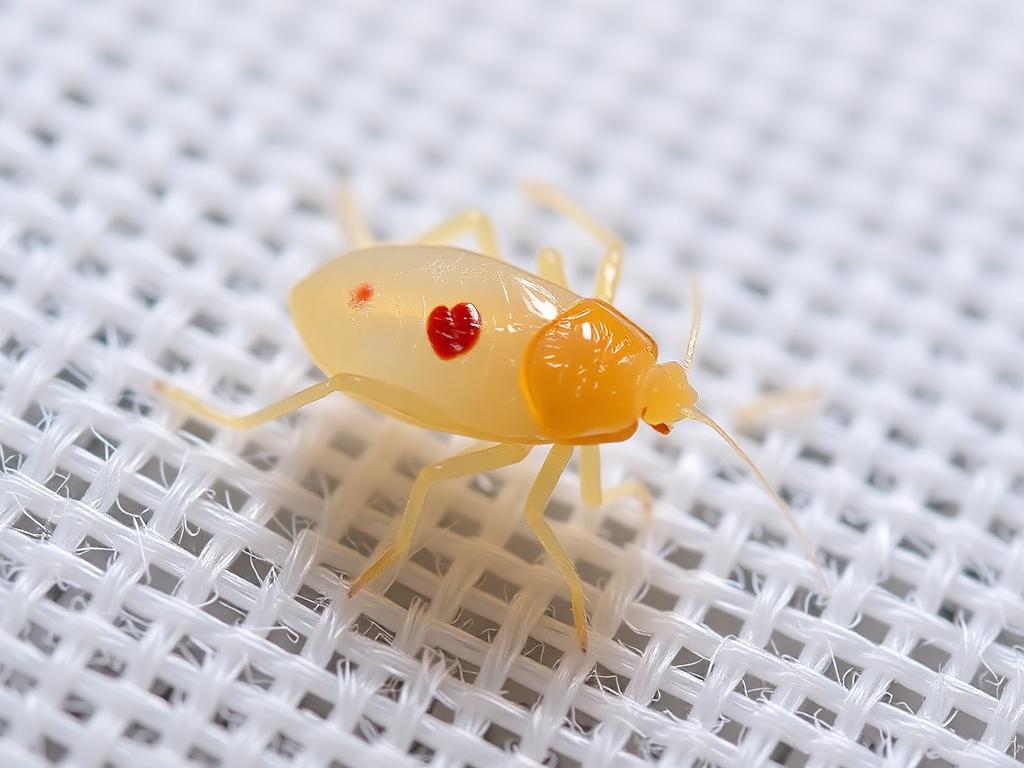
Bed bug nymph

Nymphs are translucent or pale-amber until they feed, when they turn bright red. They're easy to miss because they're so small and pale. Catching nymphs in the inspection is what tells us an infestation is actively reproducing.
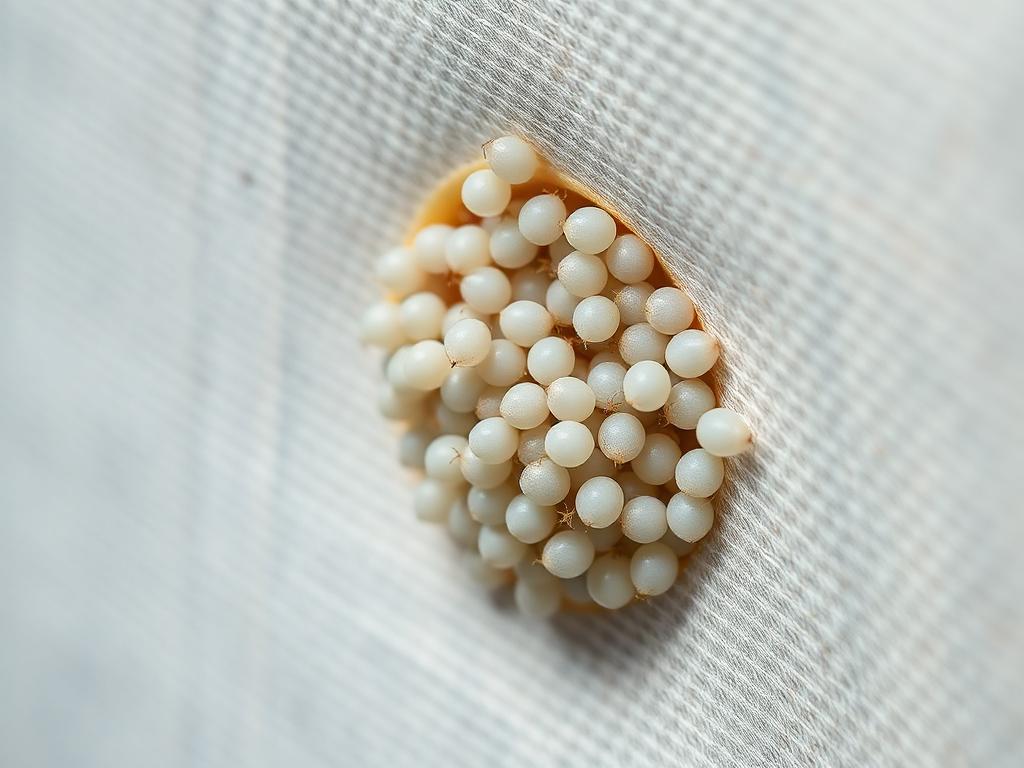
Eggs

Pearl-white, about the size of a pinhead, glued into mattress seams, headboard joints and furniture crevices. Eggs are protected from contact treatment, which is why follow-up visits, or whole-room heat, are required to clear an infestation.

Bat bug (look-alike)

Cimex adjunctus. Almost identical to a bed bug to the naked eye, but feeds on bats roosting in attics and chimneys. If we identify bat bugs, the real fix is a bat exclusion in the attic, not bedroom treatment.

How we work in Jacksonville

What to expect from your visit

  1. 01

    Room-by-room inspection

    Bed bugs hide within 6–8 feet of where you sleep. Your technician inspects mattresses, box springs, headboards, baseboards, nightstands, upholstered furniture and electrical outlets. Looking for live bugs, shed skins, eggs and the dark fecal staining that confirms an active infestation, and identifying every adjoining room that needs to be treated.

  2. 02

    Heat or targeted chemical treatment

    Depending on the size of the infestation and the room, we treat with targeted residual and contact products applied to harborage. Mattress seams, headboard frames, baseboards, outlet covers and furniture joints, or with whole-room heat that brings the entire space to lethal temperature (118°F+) and kills every life stage at once, including eggs.

  3. 03

    Encasements & monitors

    We install zippered, bed-bug-proof encasements on the mattress and box spring so any survivors are trapped inside and starve, and we place interceptor monitors under the bed legs so any new activity is caught before it spreads to the whole home.

  4. 04

    Follow-up visits until you're clear

    Bed bug eggs hatch on a 7–10 day cycle, so we return on a follow-up schedule (usually 2–3 visits over 4–6 weeks) to inspect, re-treat as needed and confirm the infestation is gone. Backed by our 100% satisfaction guarantee.

Between visits

Prevention tips for Jacksonville homes.

A few habits between visits keep pressure down.

  • 01

    After hotel stays, dry all clothing on high heat for 30 minutes.

  • 02

    At hotels, set luggage in the tub and check mattress seams before unpacking.

  • 03

    Never bring home used mattresses or curbside upholstered furniture.

  • 04

    Reduce clutter under and around the bed so new activity is easy to spot.

  • 05

    In apartments, report sightings to management early.

FAQ

Bed bugs in Jacksonville.

Quick answers to what Jacksonville homeowners ask us most.

Do I need pest control through a Jacksonville winter?
Yes, and it is often the visit that matters most. The First Coast gets real cold snaps, and the pests we cover respond by moving into wall voids, garages and storage spaces rather than dying off. Skipping the winter service is how a small December problem becomes a spring one.
Why do ants and palmetto bugs seem worse after summer rainstorms in Jacksonville?
Jacksonville averages around 53 inches of rain a year, with June through September the wettest stretch. That sustained moisture saturates the county's sandy, poorly drained soils, pushing ants, American cockroaches and other ground-dwelling pests up and into homes. A consistent year-round program keeps pressure managed before the wet season drives activity indoors.
How did I get bed bugs? Does it mean my house is dirty?
No. Bed bugs have nothing to do with cleanliness. They're hitchhikers. They ride home in luggage from a hotel or vacation rental, in a guest's overnight bag, in used furniture and mattresses, in moving boxes, and in shared laundry. Once a single fertilized female gets in, an infestation can grow from there. The cleanest home in the country can still get bed bugs.
What do bed bug bites look like?
Bed bug bites are small red welts, often appearing in a line or cluster of three (the so-called 'breakfast, lunch and dinner' pattern) on skin that was exposed during sleep. Arms, shoulders, neck, back and legs. Some people don't react to bites at all, so the absence of bites doesn't mean the absence of bed bugs. Bites alone are not a diagnosis. Confirm with physical evidence in the bed before assuming.
How do I know it's actually bed bugs and not fleas, mites or mosquitoes?
Look at the bed itself, not just the bites. The four telltale signs of a bed bug infestation are: small reddish-brown blood smears on sheets where you rolled over a fed bug, dark pinpoint fecal spots along mattress seams and on the box spring, translucent amber shed skins (cast exoskeletons) in seams and crevices, and live bed bugs or tiny pearl-white eggs glued into seams. If you see any of those, it's bed bugs, not fleas, scabies or mosquitoes.
Do I have to throw out my mattress and furniture?
Almost never. Professional treatment, especially heat. Eliminates bed bugs without destroying your furniture. We install zippered, bed-bug-proof encasements on the mattress and box spring so anything that survived is trapped inside and dies, which both saves the mattress and makes future inspections easier. Don't throw infested furniture to the curb without sealing it first; it spreads bed bugs to neighbors and trash haulers.
How long does it take to get rid of bed bugs?
Most jobs are cleared in 2–3 visits over 4–6 weeks. Bed bug eggs are protected from contact treatment, and they hatch on a 7–10 day cycle, so the follow-up visits are what catch the next generation as it emerges. Whole-room heat treatment can clear an infestation in a single visit because it kills every life stage including eggs, but we still place monitors and re-inspect to confirm.
Heat treatment vs. chemical treatment, which is better?
Both work; they solve different situations. Chemical treatment is the right answer for most residential infestations: targeted residual products applied to harborage, paired with encasements and follow-up visits. Heat treatment is the right answer when the infestation is widespread across multiple rooms, when there are clutter or sensitivity reasons not to apply chemical, or when you need a single-visit clearance. Your technician will recommend the approach that fits your home, infestation size and budget after the inspection.
Why don't store-bought bed bug sprays and foggers work?
Bed bug populations are widely resistant to the pyrethroid active ingredients in over-the-counter sprays and 'bug bombs.' Foggers in particular don't penetrate the cracks, mattress seams and outlet voids where bed bugs actually live, they kill the few in the open and scatter the rest into wall voids and adjoining rooms, making the infestation worse and harder to find. Real elimination requires a combination of targeted residual products, encasements and follow-up that DIY products aren't designed for.
How do I prepare my home for bed bug treatment?
Your technician will give you a detailed prep checklist before service. In general: wash and dry all bedding, curtains and clothing on hot heat (over 120°F kills bed bugs), bag and seal items that can't be washed, declutter under and around the bed so the technician can reach harborage, and don't move infested items to other rooms, that just spreads the problem. Don't spray the bed yourself; it makes professional treatment less effective.
Are bed bug treatments safe for my kids and pets?
Yes. We use EPA-registered products applied per label directions. To seams, crevices and harborage, not to the open mattress surface, sheets or pillows your family touches. Family will be out of the room while service is performed and during a brief re-entry interval; your technician will walk you through prep and re-entry timing for your specific home. Heat treatment is chemical-free entirely.
Can I avoid bringing bed bugs home from travel?
Yes, and it's the single best prevention. When you check into a hotel, set your luggage in the bathtub (a smooth surface bed bugs can't climb out of), then pull back the sheets at the head and foot of the mattress and inspect the seams and the side of the box spring with a flashlight for live bugs, fecal spots or shed skins. When you get home, run all clothing through the dryer on high heat for 30 minutes before putting it away, and store luggage in the garage or attic, not the bedroom closet.
How much does professional bed bug treatment cost?
Pricing depends on the size of the infestation, the number of rooms involved, and whether the right approach for your home is targeted chemical treatment with follow-ups or whole-room heat. Inspections and estimates are always free, and we'll quote the exact program before any work starts.
Do you offer same-week service?
Scheduling depends on the size of the infestation and your local team's calendar. Call your local office and they'll walk you through timing for your specific situation.

Northeast Florida office

Get a free quote for year-round pest control in Jacksonville.

Free quotes and estimates. Most homes can be quoted over the phone in a few minutes.

100% Guaranteed. if they're not dead, we're not done.