
Local pest control · Southwest Florida, FL
Wasp & Hornet Control in Bonita Springs, FL
Bonita Springs lines the edge of Estero Bay with coastal mangrove forest and salt marsh, and that humid, sheltered fringe gives paper wasps and yellow jackets ideal conditions for building nests wherever structures meet vegetation.
- ★★★★★ 40k+ reviews
- Applied per label directions
- Licensed & insured
- 100% satisfaction, every visit
100% Guaranteed. if they're not dead, we're not done.
Limited-time offer
Get $75 off your initial service.
Free estimates & quotes
No spam, ever.
Serving Bonita Springs from our Southwest Florida office
(239) 402-3647Wasp & Hornet Control built for Bonita Springs homes
Bonita Springs lines the edge of Estero Bay with coastal mangrove forest and salt marsh, and that humid, sheltered fringe gives paper wasps and yellow jackets ideal conditions for building nests wherever structures meet vegetation. June through September delivers the heaviest rain of the year, and that warm, wet stretch is when aerial nests appear fastest under roof overhangs, inside utility boxes and along fencing near landscaping. Most of the city's housing went up from 1980 onward, meaning soffits, gutters and garage frameworks across Bonita Springs tend to follow similar construction patterns that wasps exploit readily. Because Southwest Florida has no true winter to interrupt the cycle, colonies that go unmanaged in September simply restart in spring without missing a season. A year-round home program addresses nests as part of each scheduled visit, keeping that cycle from compounding.
Direct answer
What's the best wasp & hornet control option in Bonita Springs?
The stinging insects we treat across our markets in Bonita Springs
The treatment plan changes depending on the species. Here's what we look for during your inspection.
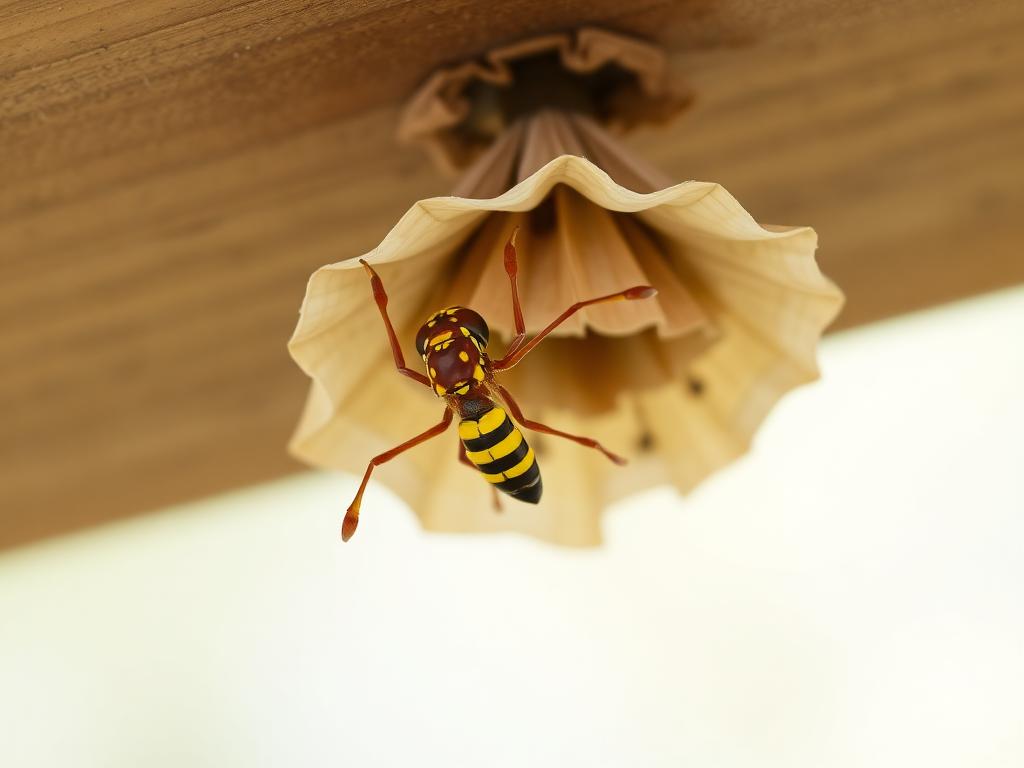
Paper wasps
Polistes species. Slender, long dangling legs, reddish-brown to dark brown with yellow markings. Build the small open umbrella-shaped paper nests you see hanging under eaves, porch ceilings, soffits, shutters, mailboxes, playsets and grill covers. Less aggressive than yellowjackets but will defend the nest if disturbed.
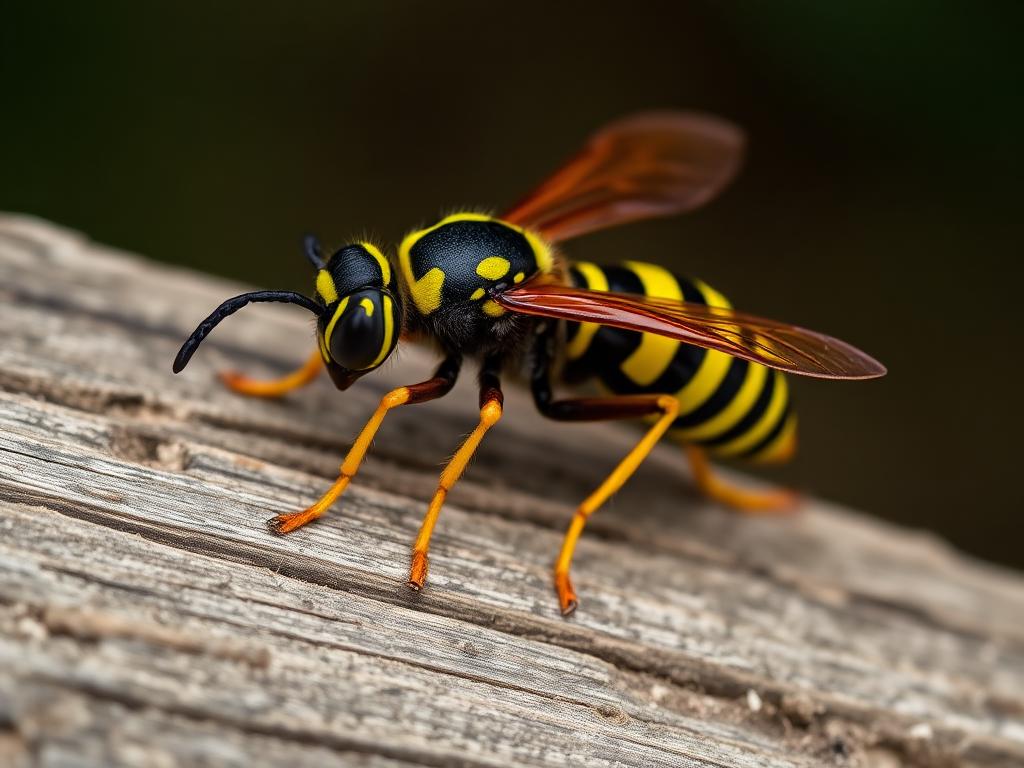
Yellowjackets
Vespula and Dolichovespula species. Short, stocky, bold black-and-yellow striped abdomen. Nest in the ground in old burrows, in wall voids, attic eaves and behind shutters. The most persistent scavenger at picnics, soda cans and trash bins in late summer. Colonies hit several thousand workers by fall. Defend the nest aggressively when disturbed.
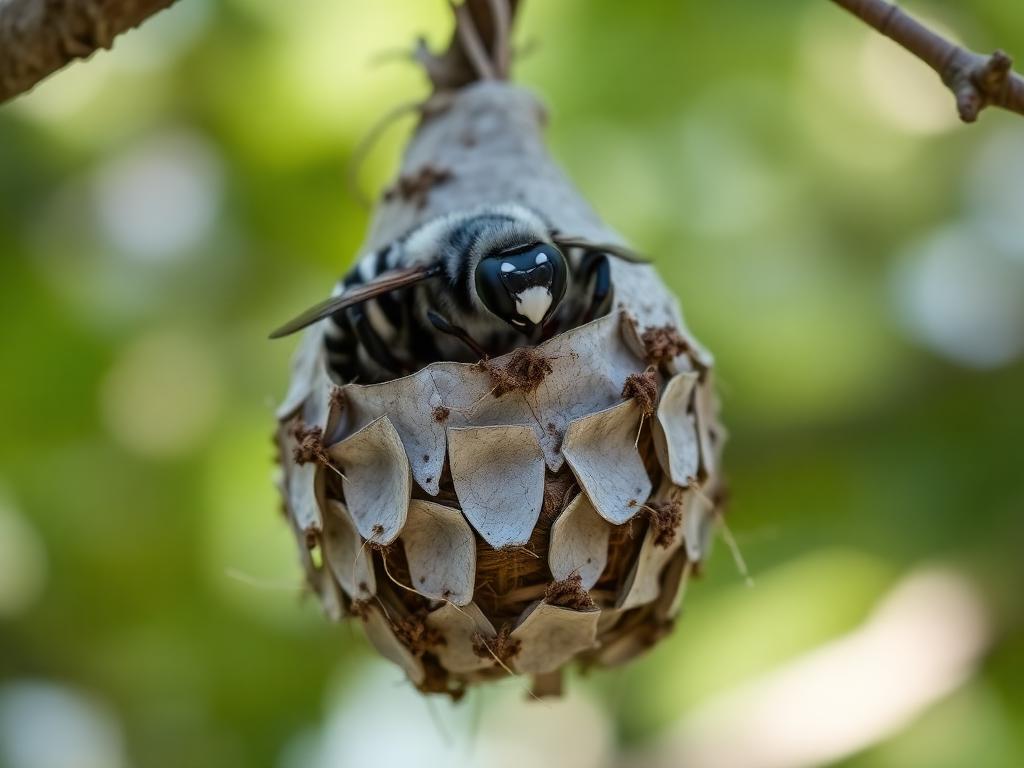
Bald-faced hornets
Dolichovespula maculata. Larger than yellowjackets, glossy black with a white face and white markings on the abdomen. Build the big gray football-shaped paper nests you see hanging from tree branches, eaves, sheds and porch ceilings. Highly defensive of the nest. Will pursue intruders well away from it. Colonies can reach several hundred workers.
European hornet
Vespa crabro. The largest stinging insect most homeowners will see, about an inch long, brown with orange-yellow markings. Nests in hollow trees, wall voids, attics and sheds rather than hanging in the open. Unlike most wasps it is also active at night and is drawn to porch lights. Defends the nest aggressively if disturbed.
Specialized treatments
Dealing with one of these specifically?
These get their own dedicated treatment approach in Bonita Springs, different from our standard wasp & hornet control.
How we work in Bonita Springs
What to expect from your visit
-
01
Inspection. Find every nest before we treat
Stinging insect work is a safety job. Your technician walks the entire exterior. Eaves, soffits, gable vents, porch ceilings, shutters, exterior light fixtures, gas meter housings, mailboxes, playsets, fence posts, the underside of deck rails, and checks the lawn and landscaping for ground-nesting yellowjacket holes. We identify the species before we treat, because paper wasps, yellowjackets and bald-faced hornets all need different approaches.
-
02
Treat the nest directly with proper PPE
Your technician wears full protective gear and treats each active nest at the source, at dusk or early morning when the colony is in the nest and least active. We don't blanket-spray the structure hoping to catch wasps in the air; we treat the nest where the queen and brood live.
-
03
Knock down nests & de-web the exterior
Once the nest is treated and the colony is down, we physically remove accessible paper-wasp umbrellas, mud-dauber tubes and old hornet nests so the structure isn't left advertising harborage to the next queen scouting in spring. We sweep eaves, soffits, porch ceilings and exterior light fixtures as part of every visit.
-
04
Perimeter residual & recurring service
We apply a residual to the eaves, soffits, gable vents and known nest-building zones so foundress queens scouting next spring run into treated surface before they can establish. Recurring exterior service through the warm months keeps the structure from re-colonizing.
Between visits
Prevention tips for Bonita Springs homes.
A few habits between visits keep pressure down.
-
01
Knock down small starter nests in early spring before they grow.
-
02
Seal gaps in siding, gable vents and behind shutters so wasps can't access voids.
-
03
Keep trash cans covered and rinse soda cans before they go in outdoor bins.
-
04
Paint and seal exposed softwood trim, fascia and deck rails.
-
05
Never seal a wall-void nest without treating it first. Trapped workers chew inside.
Other pests we treat in Bonita Springs
Dealing with more than one pest? Jump straight to the Bonita Springs treatment page for what you're seeing.
Wasp & Hornet Control in nearby cities
- Wasp & Hornet Control in Ave Maria, FL
- Wasp & Hornet Control in Bayshore Gardens, FL
- Wasp & Hornet Control in Bradenton, FL
- Wasp & Hornet Control in Buckingham, FL
- Wasp & Hornet Control in Cape Coral, FL
- Wasp & Hornet Control in Charlotte County, FL
- Wasp & Hornet Control in Charlotte Harbor, FL
- Wasp & Hornet Control in Collier County, FL
FAQ
Wasp & Hornet Control in Bonita Springs.
Quick answers to what Bonita Springs homeowners ask us most.
Does Bonita Springs have a dry season when pest pressure eases up?
Can flooding along the Imperial River and Spring Creek drive pests into homes?
What's the difference between a wasp, a hornet and a yellowjacket?
Should I just knock down a wasp or hornet nest myself?
How fast can you get a nest treated?
Can I just spray the nest with hardware-store wasp killer?
Are the wasps in my yard dangerous?
What should I do if I'm stung?
I keep seeing yellowjackets but I can't find a nest. What's going on?
Why are wasps so aggressive in late summer and fall?
What about honey bees and bumble bees?
Will the nest come back next year if I leave it?
Do you treat carpenter bees?
Can my family and pets be home after wasp treatment?
Southwest Florida office
Get a free quote for year-round pest control in Bonita Springs.
Free quotes and estimates. Most homes can be quoted over the phone in a few minutes.
100% Guaranteed. if they're not dead, we're not done.
If they're not dead, we're not done.