
Service
Subterranean Termite Control
Subterranean termite protection, monitored year-round rather than treated once and forgotten.
100% Guaranteed. if they're not dead, we're not done.
Limited-time offer
Get $75 off your initial service.
Free estimates & quotes
No spam, ever.
Nearly 40,000 5-star reviews
100% satisfaction guarantee, if they're not dead, we're not done.
Direct answer
What does subterranean termite control cover?
Subterranean termite species we treat.
Across our Florida, Texas and South Carolina markets, three subterranean species do the overwhelming majority of structural damage. Your technician will identify the species during inspection, the colony elimination plan stays the same.
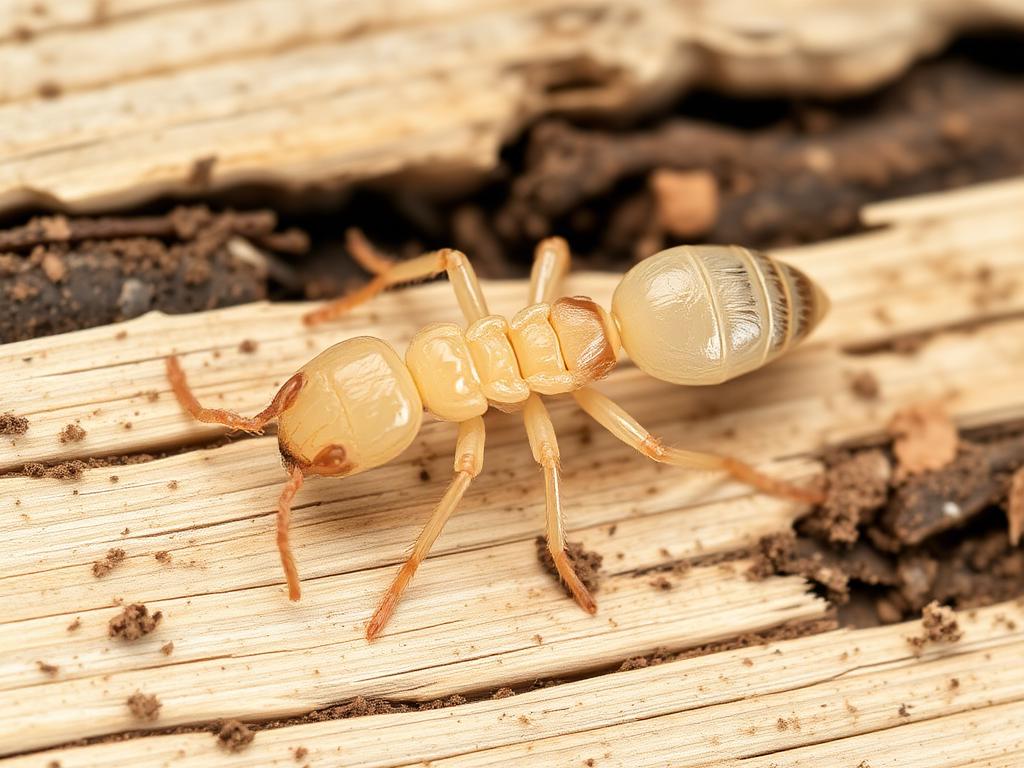
Eastern subterranean
Reticulitermes flavipes. The most widespread termite in the U.S. and the dominant species across the Southeast. Colonies of 100,000+ workers move quietly from soil into wood, framing and trim.
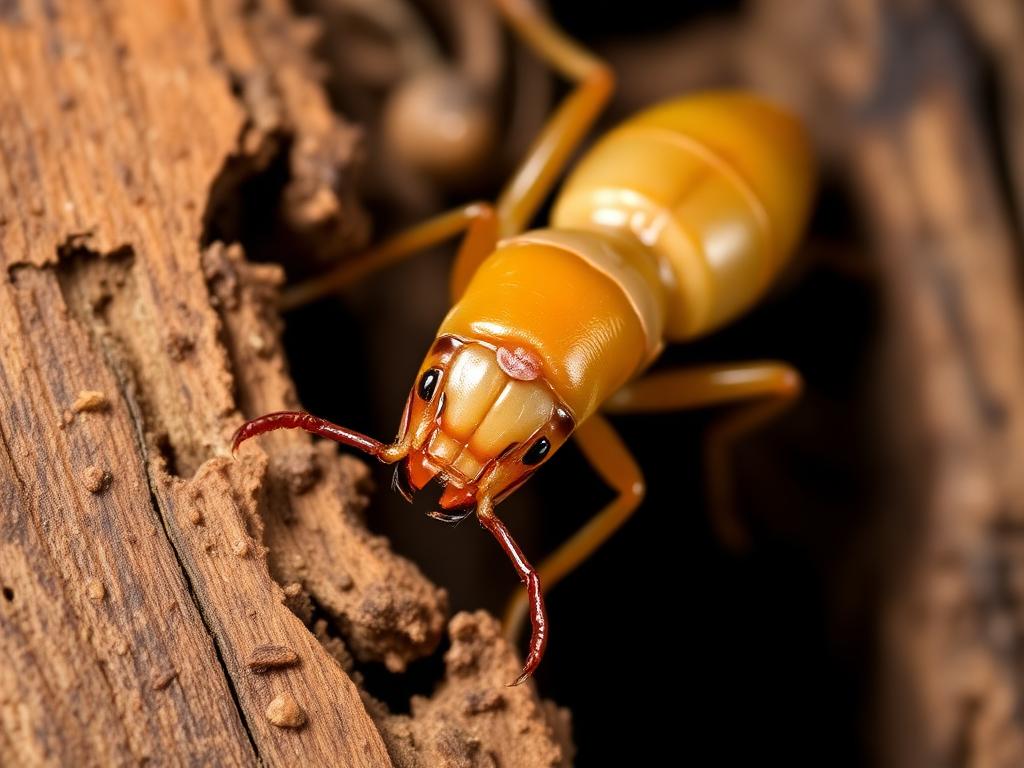
Formosan termite
Coptotermes formosanus. The 'super-termite.' Massive colonies (millions of workers) and aggressive feeding rates. Common across the Gulf Coast and increasingly into South Carolina.
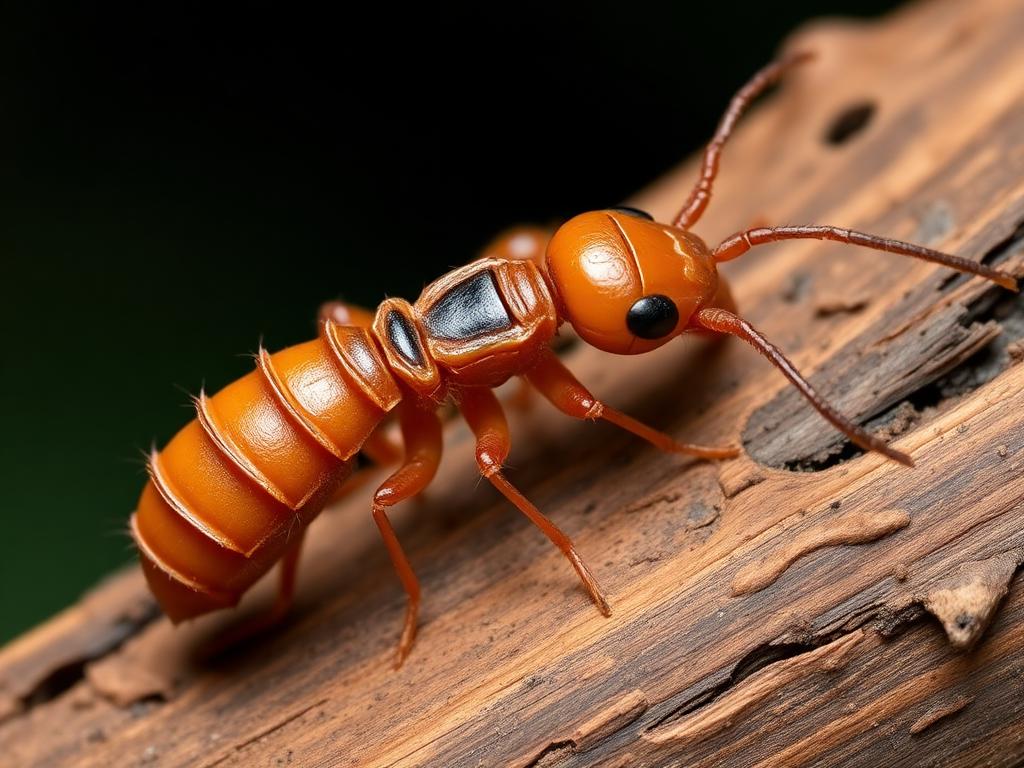
Asian subterranean
Coptotermes gestroi. Established and spreading across South Florida. Similar destructive potential to Formosan, with colonies that thrive in our humid coastal climate.
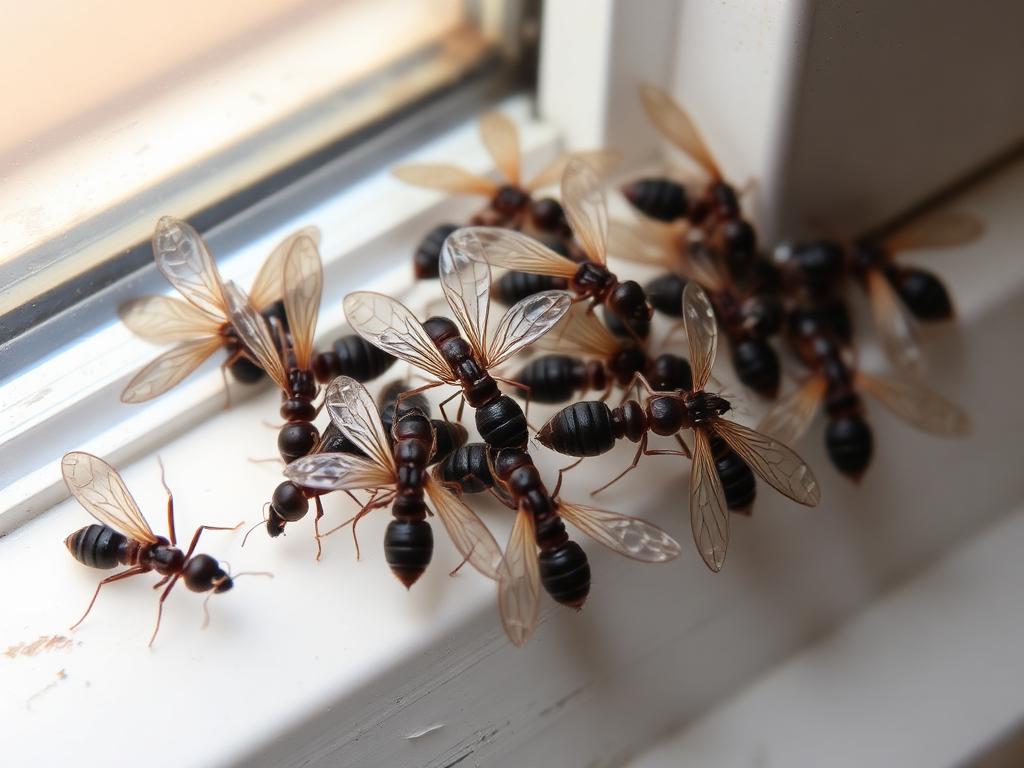
Swarmers (alates)
The reproductive stage. Dark bodies, two pairs of equal-length wings. Seeing them indoors, especially around windows in spring. Almost always means an established colony nearby.
What to look for
Signs of a termite problem.
Termite damage is cumulative and almost always silent. Catching the early signs is the difference between protection and repair.
-
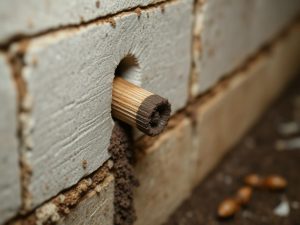
Mud tubes
Pencil-thin tubes of soil running up your foundation, garage walls or interior framing, the classic sign of subterranean activity.
-

Discarded wings
Small piles of identical translucent wings near windows, doors or light fixtures after a spring swarm.
-

Hollowed or damaged wood
Wood that sounds hollow when tapped or breaks open to reveal layered tunnels packed with soil. Termites eat from the inside out.
-
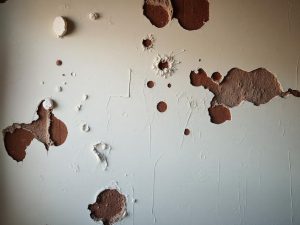
Bubbling or warped paint
Paint that bubbles, blisters or looks water-damaged with no obvious leak source. Termites underneath holding moisture against the surface.
Conducive conditions
What invites termites to your home.
Subterranean termites need three things: soil contact, moisture and a food source. These are the conditions we flag during every inspection, the ones that quietly turn an average yard into a termite highway.
Mulch & soil against siding
Mulch piled above the bottom of your siding gives termites a hidden bridge from soil straight into the wall cavity, behind the termiticide-treated zone.
Downspouts at the foundation
Downspouts dumping water beside the slab, or A/C condensate lines pooling at the foundation, keep soil saturated. Exactly what subterranean termites need.
Wood-to-soil contact
Deck posts, fence posts, lattice, stair stringers and trim that touch the ground are direct entry points. So is firewood stacked against the house.
Plumbing & slab penetrations
Termites follow plumbing lines and electrical conduit through the slab into the structure. Tiny gaps around penetrations are an open door.
Roof leaks & soffit moisture
Persistent moisture damage in soffits, fascia and roof decking attracts secondary subterranean activity above the foundation, especially with Formosan termites.
Stuccoed foundation & form boards
Stucco that extends below grade and old wooden form boards left in place after construction give termites a hidden, untreatable path inside.
Our treatment process
Inspect. Treat. Prevent.
Every job starts with a full inspection so the treatment plan fits your home, not a checklist.
-
01
Termite inspection
We inspect the structure, foundation, slab penetrations and conducive conditions around your home to confirm subterranean termite activity and risk.
-
02
Sentricon® stations installed
Discreet bait stations are placed in the soil around the perimeter of your home, spaced to intercept foraging termites before they reach the structure.
-
03
Always Active™ baiting
Stations are loaded with Recruit® HD bait from day one. Termites feed on it, share it through the colony, and the colony is eliminated, including the queen.
-
04
Annual monitoring & renewal
We monitor your stations on a recurring schedule, replenish bait and keep continuous protection in place year after year.
Between visits
A few habits that help.
Treatment carries the work. These quick habits keep pressure low between visits.
- Keep mulch and soil 6 inches below the bottom of exterior siding.
- Direct downspouts and AC condensate away from the foundation.
- Store firewood and cardboard off the ground, away from the house.
- Schedule an annual termite inspection. Damage is silent until it's serious.
Service areas
Subterranean Termite Control by region
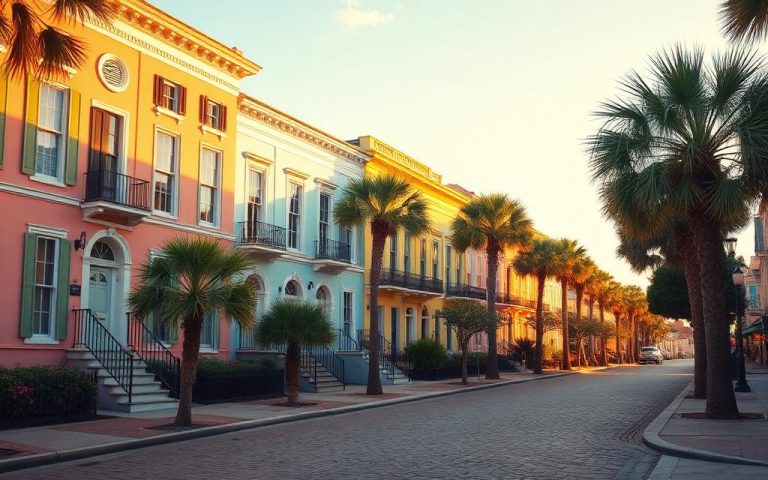 SC
Subterranean Termite Control in Greater Charleston / Lowcountry
 TX
Subterranean Termite Control in Greater Houston
 FL
Subterranean Termite Control in Greater Tampa Bay
 FL
Subterranean Termite Control in Northeast Florida
 FL
Subterranean Termite Control in Southwest Florida
 FL
Subterranean Termite Control in Space Coast
FAQ
Subterranean Termite Control questions.
What kind of termites do you treat?
What is the Sentricon® System?
How is Sentricon different from a liquid termite treatment?
How do I know if I have subterranean termites?
Is Sentricon safe around kids and pets?
Get subterranean termite control for your home.
100% Guaranteed. if they're not dead, we're not done.
Ready when you are
Let's protect your home.
Tell us what you've seen and where. We'll get a local technician out to inspect your home and put together a subterranean termite control plan that fits. Backed by our 100% satisfaction guarantee.
Local office direct lines
- Southwest Florida 239-686-0689
- Greater Tampa Bay 813-473-2954
- Space Coast 321-351-0573
- Northeast Florida 904-712-1989
- Greater Houston 281-845-2775
- Greater Charleston / Lowcountry 843-489-8818