Limited time: Get $75 off your initial pest control service.

See all offers →

Local pest control · Greater Tampa Bay, FL

Spider Control in Lake Magdalene, FL

Spiders covered under your program, with treatment aimed at what they are eating.

  • ★★★★★ 40k+ reviews
  • Applied per label directions
  • Licensed & insured
  • 100% satisfaction, every visit

100% Guaranteed. if they're not dead, we're not done.

$75 off initial

Limited-time offer

Get $75 off your initial service.

Free estimates & quotes

No spam, ever.

Serving Lake Magdalene from our Greater Tampa Bay office

813-473-2954

Spider Control built for Lake Magdalene homes

Spiders covered under your program, with treatment aimed at what they are eating.

Direct answer

What's the best spider control option in Lake Magdalene?

A customized plan that starts with an inspection of your home and yard, followed by targeted treatment and recurring follow-up. That is what handles Lake Magdalene's spider pressure long-term.

The spiders we deal with across our markets in Lake Magdalene

The treatment plan changes depending on the species. Here's what we look for during your inspection.
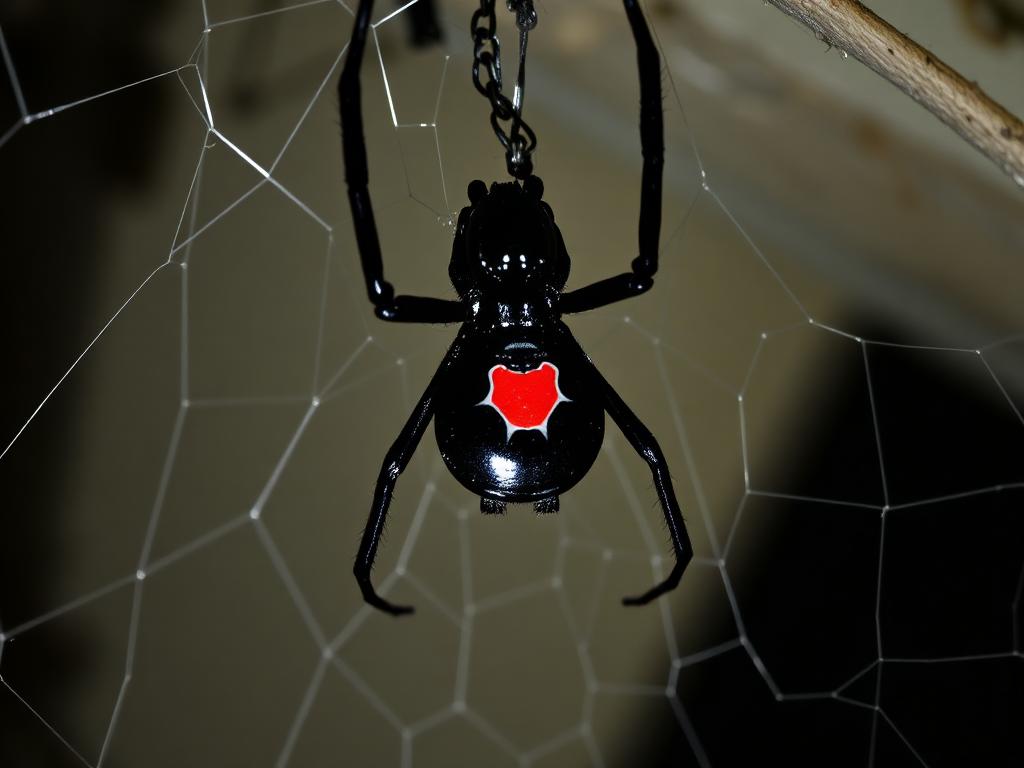
Black widow

Latrodectus species. Glossy jet-black with a red hourglass on the underside of the abdomen. Found in undisturbed, dry harborage. Garage corners, under deck rails, in meter boxes, woodpiles, sheds and outdoor furniture that hasn't been moved. Bite is medically significant and can cause severe muscle pain, cramps and sweating. We treat the harborage directly and confirm with monitors.
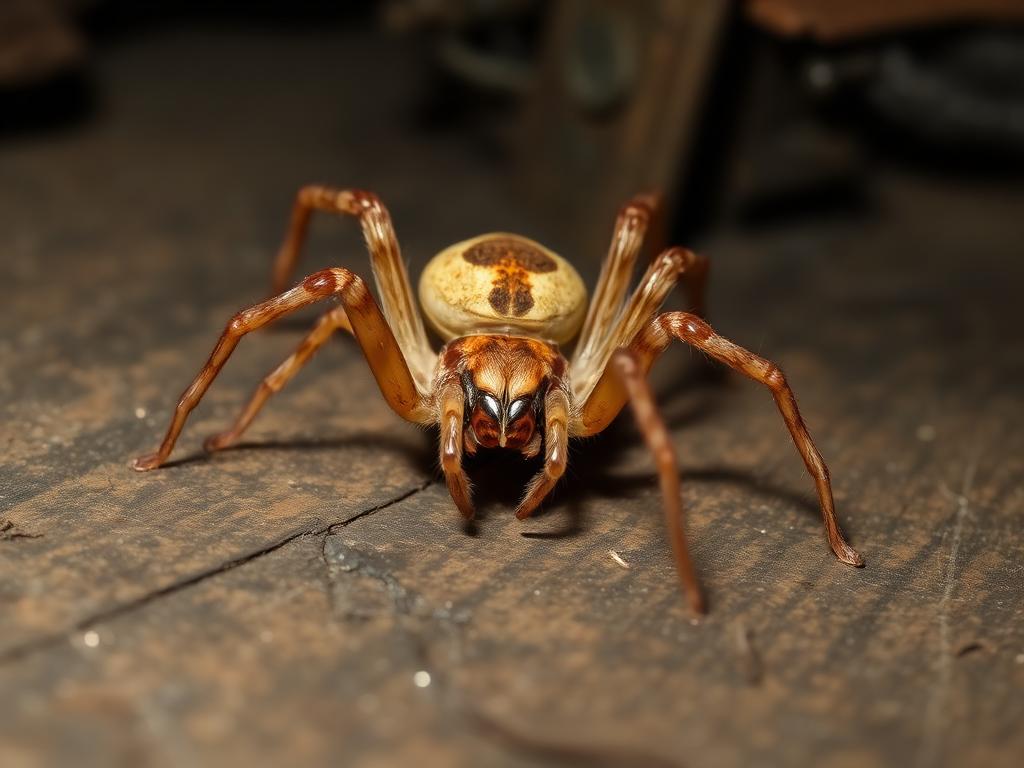
Brown recluse

Loxosceles reclusa. Light tan to brown, roughly half-dollar size with legs spread, with a violin-shaped marking on the back. More common in pockets of Texas than Florida or South Carolina. Hides in undisturbed indoor spaces. Closets, attics, behind clutter, inside boxes and stored shoes. Bite can ulcerate and requires medical attention.
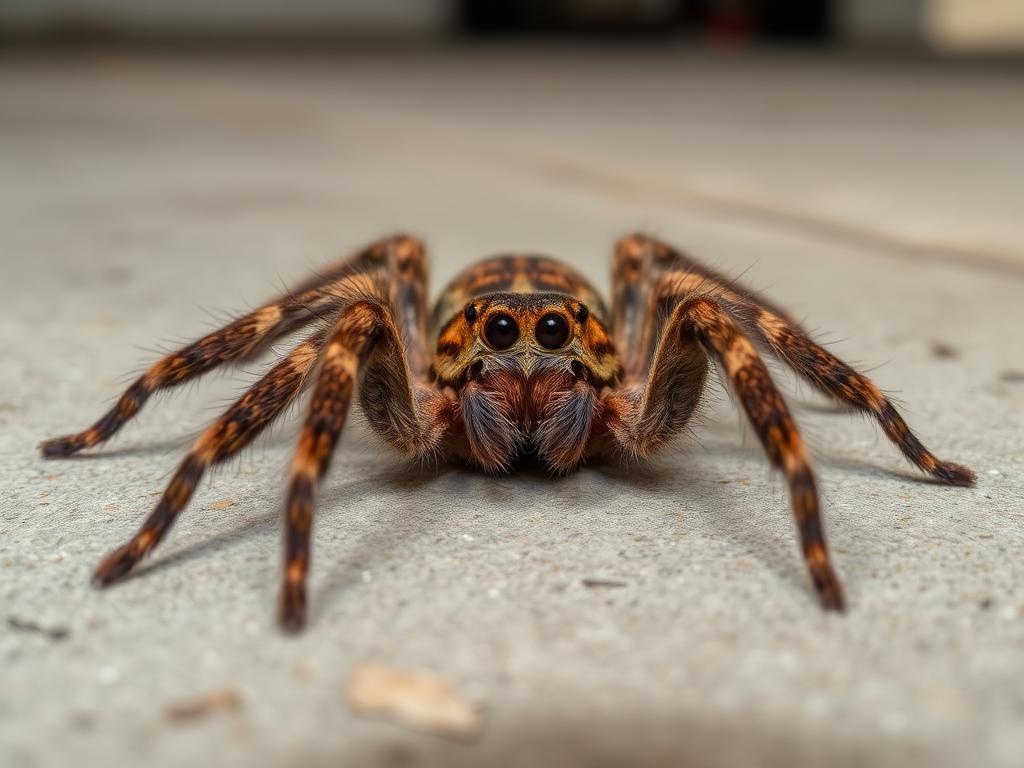
Wolf spider

Lycosidae family. Large, hairy and fast. Frequently mistaken for a tarantula. Doesn't build webs; hunts on the ground around foundations, garages and lower floors. Rarely bites and is actually beneficial, eating roaches, crickets and other ground pests. Treated as part of perimeter service when populations are heavy.
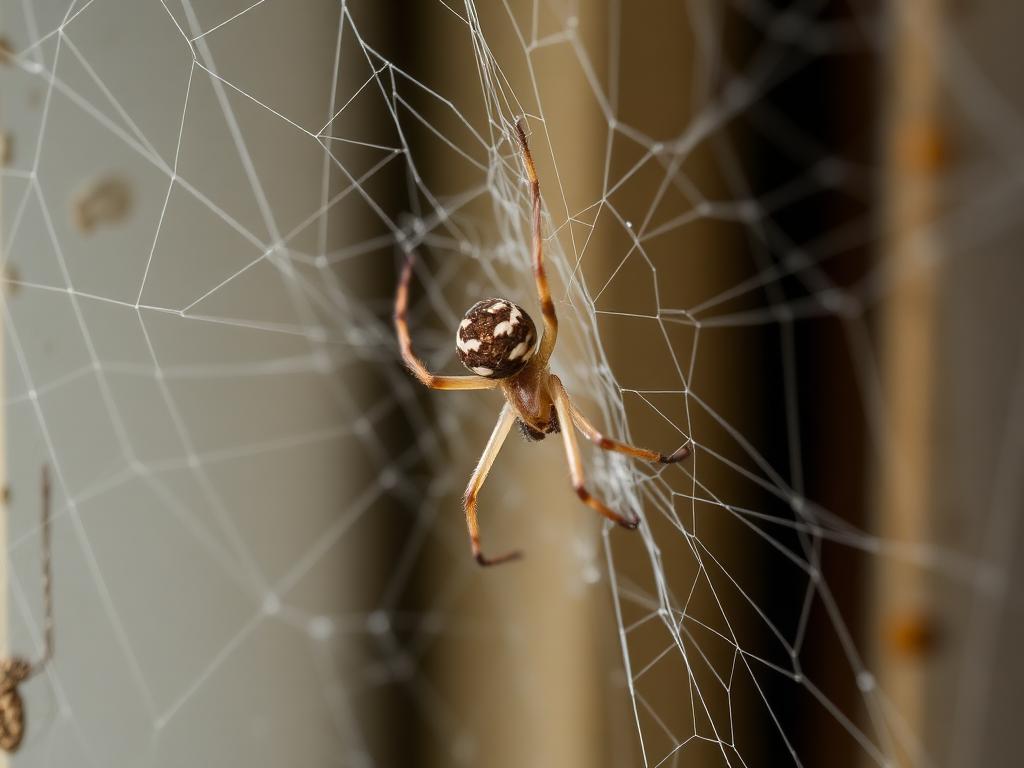
Common house spider

Parasteatoda tepidariorum and related cobweb spiders. Small, tan to brown with a bulbous abdomen. Responsible for most of the cobwebs you see in eaves, soffits, garage corners and around window frames. Knocked down with de-webbing and controlled by reducing the insect food source on the perimeter.

How we work in Lake Magdalene

What to expect from your visit

100% Guaranteed
  1. 01

    Inspection. Webs first, harborage second

    Webs tell us almost everything. Your technician walks the eaves, soffits, garage corners, window frames, porch lights and fence posts to identify which species are active and where their harborage is. Heavy webbing on the exterior is a sign the perimeter is feeding spiders the insects they live on.

  2. 02

    Web removal & de-webbing

    We physically knock down accessible spider webs, egg sacs and harborage on the exterior. Eaves, soffits, light fixtures, window frames, door frames, porches and patios, with extension de-webbers. Spiders rebuild slowly when their web is destroyed and the food source is treated, so de-webbing is a real part of every spider visit.

  3. 03

    Treat the perimeter & spider harborage

    We apply an EPA-registered residual to the foundation perimeter, around windows and doors, eaves and soffits, and known harborage zones (garages, sheds, woodpiles, the underside of decks). Spiders eat insects, the same residual that knocks down their food source also kills the spiders that walk through it.

  4. 04

    Recurring service & targeted care for black widows and brown recluses

    If your technician finds black widow or brown recluse activity, we treat the harborage directly (garage corners, attic, undisturbed storage, behind clutter) and place monitors so we can confirm we got them. Recurring exterior service keeps general spider pressure down.

Between visits

Prevention tips for Lake Magdalene homes.

A few habits between visits keep pressure down.

  • 01

    Switch exterior bulbs to yellow LED. Fewer prey insects means fewer spiders.

  • 02

    Knock down cobwebs and egg sacs every couple of weeks between visits.

  • 03

    Trim shrubs off the foundation and move woodpiles 20 ft from the house.

  • 04

    Shake out shoes and gloves left in garages or unused closets.

  • 05

    If you spot a black widow or recluse, call us. Don't dig around in the harborage.

Other pests we treat in Lake Magdalene

Dealing with more than one pest? Jump straight to the Lake Magdalene treatment page for what you're seeing.
All services in Lake Magdalene

FAQ

Spider Control in Lake Magdalene.

Quick answers to what Lake Magdalene homeowners ask us most.

Are the spiders in my home dangerous?
Most spiders you'll see in and around your home are actively beneficial, since they eat the insects you don't want. The two species in our markets to take seriously are the black widow (glossy black with a red hourglass on the underside) and the brown recluse (light brown with a violin-shaped marking on its back, found mainly in pockets of Texas). If your technician finds either, we treat the harborage directly and place monitors to confirm we got them.
How do I know if it's a black widow?
Adult female black widows are about a half-inch long, glossy jet black, with a bright red (sometimes orange) hourglass marking on the underside of the abdomen. They build messy, irregular tangle webs close to the ground in protected spots. Under deck stairs, in garage corners, in the rim of patio furniture, in undisturbed storage and around outdoor electrical boxes. Don't try to handle one. Call us and we'll treat the harborage directly.
How do I know if it's a brown recluse?
Brown recluses are roughly half-dollar size with the legs spread, light tan to brown, with a darker violin-shaped marking on the back of the cephalothorax (the front body section, with the violin neck pointing toward the abdomen). They have six eyes arranged in three pairs (most spiders have eight). Diagnostic if you can see it. They live in undisturbed indoor spaces: behind clutter, in attics, in closets, inside boxes and stored shoes. They're more common in pockets of Texas than in Florida or South Carolina, but they do show up.
What should I do if I'm bitten?
Most spider 'bites' people report turn out to be something else, a bacterial skin infection, a flea or mosquito bite, a tick bite or even a pimple. If you're confident a spider bit you and you develop severe pain, muscle cramps, sweating, fever, or a wound that progressively darkens and ulcerates, see a doctor immediately. Capture the spider in a container if you can do it safely. Identification helps treatment. Don't wait it out with a suspected black widow or brown recluse bite.
Why are there suddenly so many cobwebs on my house?
Spiders are eating well. Cobwebs around the eaves, soffits, light fixtures, window frames and porch lights mean the perimeter has the insect food that supports a spider population. Usually drawn in by exterior lighting at night, mulch beds, dense landscaping or moisture. We treat the perimeter, knock down the webs and the underlying insect activity feeding the spiders.
Will spider control hurt the beneficial spiders in my garden?
Garden orb-weavers, jumping spiders and other beneficial outdoor species mostly stay off the structure and out of treatment areas. Our perimeter treatment focuses on the foundation, eaves, soffits and structure-adjacent harborage where pest spiders concentrate, not flowering plants or open garden beds where pollinators and beneficial spiders work. We're targeting the spiders that are inside, on the structure, or in human-use areas like garages and patios.
Do you treat inside the home for spiders?
We treat targeted indoor harborage when it's needed. Primarily for medically significant species (black widow, brown recluse) or active interior populations. For most homes the right approach is heavy exterior perimeter treatment plus de-webbing on the outside; that knocks down the food source and drops indoor spider sightings dramatically without spraying inside the living space. Your technician will recommend the approach that fits what's actually happening in your home.
How do I get rid of spiders in my garage?
Garages are spider heaven. Undisturbed corners, stored boxes, dim lighting and a steady supply of insects coming in through the door. We sweep down accessible webbing, treat the perimeter (top to bottom in the corners, around windows, around the door frames and tracks), and treat targeted harborage like the underside of workbenches and storage shelving. Decluttering and elevating stored items off the floor cuts the indoor spider population fast.
Do over-the-counter sprays work on spiders?
Contact sprays kill the individual spider you hit, but spiders sit on their web off the surface and aren't picking up much residual when they walk, so general perimeter sprays from the hardware store don't reduce populations like they do for ants or roaches. Real spider control is a combination of physical web removal, residual treatment of the harborage they actually rest in, and treatment of the insect food source. Foggers don't reach spider harborage at all.
How quickly will I see fewer spiders after treatment?
You'll see new webs stop appearing within the first week, and the existing population drops noticeably over the first 2–4 weeks as spiders run out of food and walk through treated harborage. Recurring exterior service is what holds the line. Spiders re-colonize from neighboring properties constantly, and a single treatment doesn't keep the perimeter clear all year.
Can my family and pets be home after spider treatment?
Yes, once treated areas have fully dried, as directed. Products are EPA-registered and applied according to label directions to the perimeter, eaves, soffits and harborage zones, not to open lawn, flowering plants or living spaces (unless we're treating an indoor harborage like an attic or garage corner). Your technician will give you the re-entry time for any treated indoor spaces.
How much does spider control cost?
Spider control is usually folded into our recurring general pest service because the same exterior perimeter program that controls ants and other crawling insects is what holds the spider population down. If you have a specific medically significant species (black widow, brown recluse) or a heavy infestation, we may add a targeted treatment. Questions and estimates are always free.

Greater Tampa Bay office

Get a free quote for year-round pest control in Lake Magdalene.

Free quotes and estimates. Most homes can be quoted over the phone in a few minutes.

100% Guaranteed. if they're not dead, we're not done.

If they're not dead, we're not done.