Limited time: Get $75 off your initial pest control service.

See all offers →

Local pest control · Greater Tampa Bay, FL

Flea Control in Land O Lakes, FL

Land O Lakes receives around 54 inches of rainfall annually, with June through September delivering the heaviest totals.

  • ★★★★★ 40k+ reviews
  • Applied per label directions
  • Licensed & insured
  • 100% satisfaction, every visit

100% Guaranteed. if they're not dead, we're not done.

$75 off initial

Limited-time offer

Get $75 off your initial service.

Free estimates & quotes

No spam, ever.

Serving Land O Lakes from our Greater Tampa Bay office

(813) 359-9749

Flea Control built for Land O Lakes homes

Land O Lakes receives around 54 inches of rainfall annually, with June through September delivering the heaviest totals. That wet season keeps the poorly drained sandy and mucky soils near the area's lakes and swamps saturated for weeks, giving fleas favorable outdoor habitat across yards, along landscape edges and beneath saw palmetto and hardwood growth near Cypress Creek. Cat fleas in Florida stay active well past summer, and occasional winter freezes push brief indoor activity rather than ending the season. Exterior flea treatment, targeting the yard and perimeter where fleas develop and wait for a host, is part of the general home program. Interior flea treatment is a separate specialty service with its own eligibility requirements, preparation steps and pricing. An ongoing program keeps outdoor pressure from cycling back indoors season after season.

Direct answer

What's the best flea control option in Land O Lakes?

A customized plan that starts with an inspection of your home and yard, followed by targeted treatment and recurring follow-up. That is what handles Land O Lakes's flea pressure long-term.

The fleas, and life stages, we treat in Land O Lakes

The treatment plan changes depending on the species. Here's what we look for during your inspection.
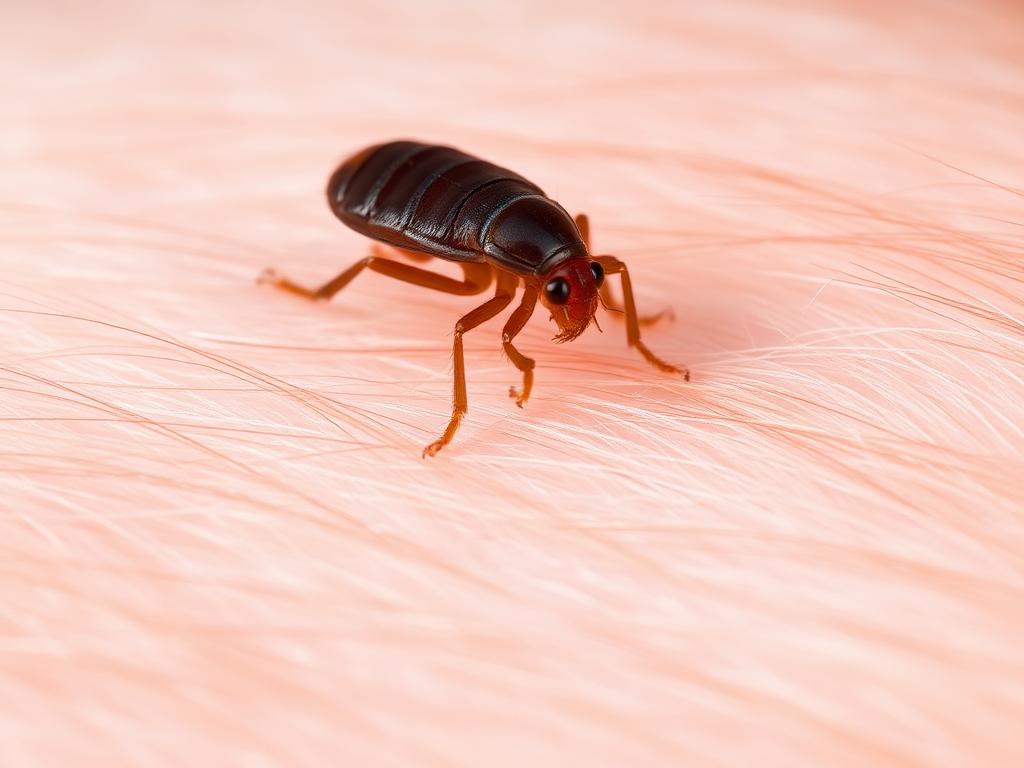
Cat flea

Ctenocephalides felis. The cat flea is responsible for nearly every flea infestation on dogs, cats and inside homes across our markets. Despite the name. Adults are about 1/8 inch long, dark reddish-brown and laterally flattened so they can move easily through fur.
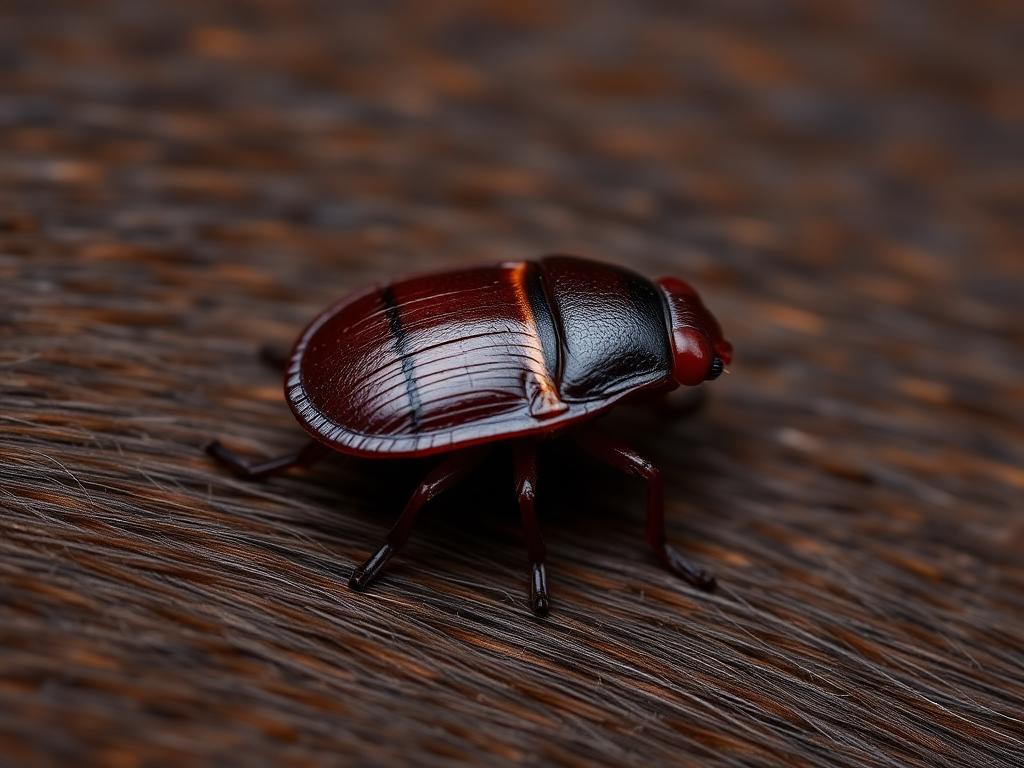
Dog flea (rare)

Ctenocephalides canis. Far less common in the U.S. than the cat flea. Almost identical in appearance to the naked eye. The treatment plan is the same regardless of which species your technician confirms.
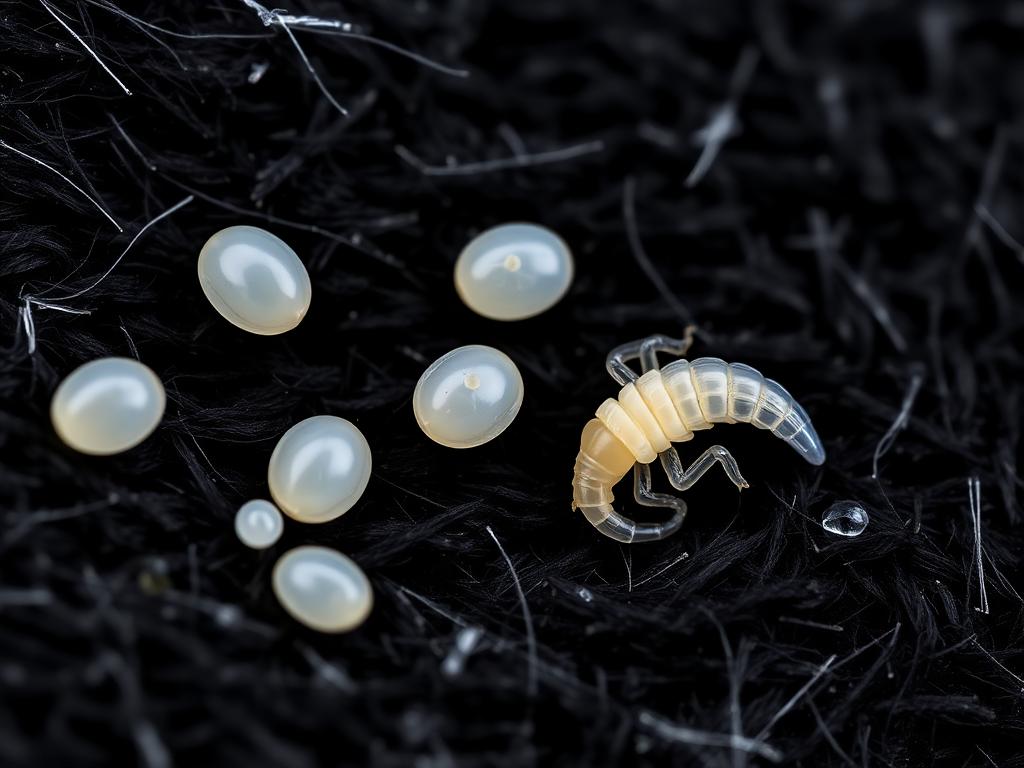
Eggs & larvae

A single female lays 40–50 eggs per day. Eggs roll off the pet into carpet, pet bedding and floor cracks, then hatch into pale, worm-like larvae that feed on flea dirt and organic debris in the deep carpet nap.
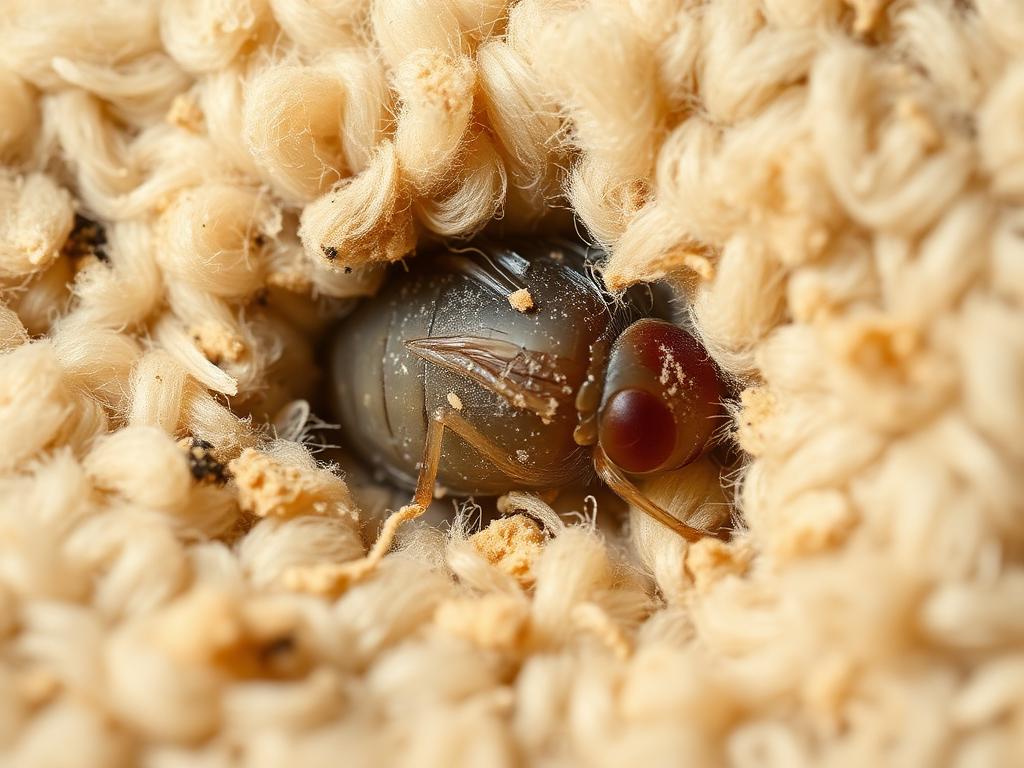
Pupae (cocoons)

Larvae spin a sticky silk cocoon coated in dust and debris that camouflages it perfectly. Pupae are protected from any insecticide and can wait dormant for weeks until they sense vibration, heat or CO₂, which is why fleas often 'reappear' after a vacant home is reoccupied.

How we work in Land O Lakes

What to expect from your visit

100% Guaranteed
  1. 01

    Inspection: pets, indoors & yard

    Your technician inspects pet bedding, sleeping areas, carpeted rooms, upholstered furniture and the shaded outdoor spots your pets use most. Knowing where the population is concentrated, and where pets are picking fleas back up, is what makes the treatment work the first time.

  2. 02

    Indoor treatment with an IGR

    We treat carpets, rugs, baseboards and pet resting areas with a residual adulticide paired with an insect growth regulator (IGR). The adulticide kills the fleas you have today; the IGR shuts down the egg and larval stages so the next generation never matures into biting adults.

  3. 03

    Yard & perimeter treatment

    Adult fleas in our markets live in the shaded, humid spots in your yard. Under decks, along fence lines, in mulch beds and beneath shrubs. We treat those harborage zones so pets stop bringing fresh fleas back inside after every walk.

  4. 04

    Follow-up + vet partnership

    Flea pupae are protected from any product, so we return on a follow-up schedule to catch the next wave as it emerges. Pair our treatment with year-round vet-prescribed flea preventative on every pet, that combination is what actually breaks the cycle.

Between visits

Prevention tips for Land O Lakes homes.

A few habits between visits keep pressure down.

  • 01

    Keep every pet on year-round vet-prescribed flea preventative.

  • 02

    Vacuum carpets and upholstery every 2–3 days for the first few weeks.

  • 03

    Wash pet bedding hot and dry on high heat weekly after service.

  • 04

    Close gaps under decks, sheds and porches where stray animals rest.

FAQ

Flea Control in Land O Lakes.

Quick answers to what Land O Lakes homeowners ask us most.

Does living near Cypress Creek make pest pressure worse for Land O Lakes homes?
It can. The cypress and hardwood forest along Cypress Creek, backing into pine flatwoods of slash pine and saw palmetto, gives ants, spiders, millipedes and silverfish dense cover right up to residential property lines. When those habitats fill with rain during wet season, pests look for drier ground, and that often means the nearest house.
Why do I seem to see more ants and cockroaches inside my home after heavy summer rain?
Land O Lakes averages around 54 inches of rain a year, most of it falling between June and September. The poorly drained sandy and mucky soils around local lakes and swamps saturate quickly, pushing ground-level pests like ants and American cockroaches to seek higher, drier shelter. Your home offers exactly that, which is why interior activity spikes after heavy downpours.
How did my pet, or my house, get fleas?
Almost always from outdoors. Fleas live in shaded, humid harborage in the yard (under decks, in mulch, along fences, beneath shrubs) and hitch a ride into the home on dogs, cats and even on your pant legs. Stray animals passing through can drop fleas into a yard, so even a new home can have fleas within weeks.
I don't have pets. Why do I have fleas?
Stray animals and the previous owner's pets are the usual sources. Animals passing through drop flea eggs in shaded soil and mulch, and the adults that emerge will jump on whatever warm-blooded host shows up next, including you. Dormant pupae left behind indoors can also hatch weeks later when they sense movement in the home.
Why are flea bites usually on the ankles?
Adult fleas live in carpet, rugs and the lower 12–18 inches of furniture and walls, they don't fly and they don't climb high. They detect vibration and CO₂ when you walk past, jump up, feed on the nearest skin (usually ankles, calves and feet) and drop back into the carpet. Bites are typically small red welts, often in clusters of three to five, and intensely itchy.
Why are there still fleas after I treated my pet?
Because only about 5% of a flea infestation lives on the pet. The other 95% (eggs, larvae and pupae) is in the carpet, pet bedding, upholstered furniture and yard. Treating only the pet leaves the environmental population intact, and a brand-new generation of adults emerges every couple of weeks to re-infest the pet. You have to treat the pet, the home and the yard at the same time.
Why don't store-bought sprays and foggers work on fleas?
Two reasons. First, foggers ('flea bombs') only kill what they directly land on, they don't penetrate the base of the carpet or the dust covers on furniture where flea larvae actually live. Second, almost no DIY product contains an insect growth regulator (IGR), so even if you kill every adult in the room, the eggs and larvae waiting in the carpet will mature into the next wave of biting adults in 2–3 weeks. Real elimination requires an adulticide plus an IGR plus follow-up.
What is an IGR and why does it matter?
An insect growth regulator is a compound that mimics flea juvenile-hormone and stops eggs and larvae from developing into adults. The IGR doesn't kill what's already biting today. That's the adulticide's job, but it shuts down the entire next generation. The combination is what actually breaks the flea life cycle, and it's the single biggest difference between professional treatment and over-the-counter spray.
How long until the fleas are gone after treatment?
Most homes see a sharp drop in adult fleas within the first few days and much less bite activity within a week. Flea pupae are protected from any product and hatch on their own schedule (usually 7–14 days, sometimes longer), so you may see a few new adults emerge over the next couple of weeks. That's normal. The IGR keeps them from reproducing and the residual on the carpet treats them shortly after they hatch. Your technician will tell you what to expect for your home.
Do I need to vacuum before and after treatment?
Yes. Vacuum thoroughly before service. Focus on carpets, area rugs, upholstered furniture (cushions removed), pet beds and the edges along baseboards. Vacuuming pulls eggs, larvae and pupae out of the deep nap and stimulates protected pupae to emerge so the treatment can reach them. After service, wait the re-entry interval your technician gives you, then vacuum every 2–3 days for the next 2–3 weeks. Empty the canister into a sealed bag and take it outside immediately each time.
How do I prepare my home for flea treatment?
Your technician will give you a prep checklist. In general: pick up toys and items off the floor in treated rooms so the residual reaches the carpet, wash all pet bedding on hot and dry on high heat, vacuum thoroughly (see above), and plan for kids and pets to stay out of treated rooms until surfaces are dry. Usually 2–4 hours. We'll also coordinate with you on yard treatment and let you know how long pets need to stay off the grass.
Can my family and pets be home after flea treatment?
Yes, once treated surfaces have fully dried, as directed. Products are EPA-registered and applied according to label directions by a trained technician. The whole family, pets included, stays out of treated rooms during application and for the re-entry time your technician gives you.
Do I have to take my pet to the vet for flea medication?
Yes, and this is the part most homeowners miss. Our treatment kills the fleas in the home and yard. Vet-prescribed flea preventative (oral or topical, year-round) protects your pet from the fleas they pick up the next time they go outside. Without that, your pet keeps bringing fresh adults indoors and the cycle restarts. Cheap drugstore flea collars and spot-on products are widely ineffective in our markets. Talk to your vet about something that actually works.
Why is flea control such a problem in Florida, Texas and the Carolinas?
Climate. Fleas need humidity and warm soil to develop, and our markets give them both year-round. Where homeowners up north get a hard freeze that knocks the outdoor population back every winter, ours just keeps producing. That's why vet-recommended protection on every pet plus recurring exterior service holds the line.

Greater Tampa Bay office

Get a free quote for flea treatment in Land O Lakes.

Free quotes and estimates. We will explain the preparation before you commit.

100% Guaranteed. if they're not dead, we're not done.

If they're not dead, we're not done.