
Local pest control · Greater Charleston / Lowcountry, SC
Tick Control in Ridgeville, SC
Tick treatment aimed at the shaded edges of the yard where ticks wait for a host.
- ★★★★★ 40k+ reviews
- Applied per label directions
- Licensed & insured
- 100% satisfaction, every visit
100% Guaranteed. if they're not dead, we're not done.
Limited-time offer
Get $75 off your initial service.
Free estimates & quotes
No spam, ever.
Serving Ridgeville from our Greater Charleston / Lowcountry office
843-489-8818Tick Control built for Ridgeville homes
Tick treatment aimed at the shaded edges of the yard where ticks wait for a host.
Direct answer
What's the best tick control option in Ridgeville?
The ticks we treat across our markets in Ridgeville
The treatment plan changes depending on the species. Here's what we look for during your inspection.
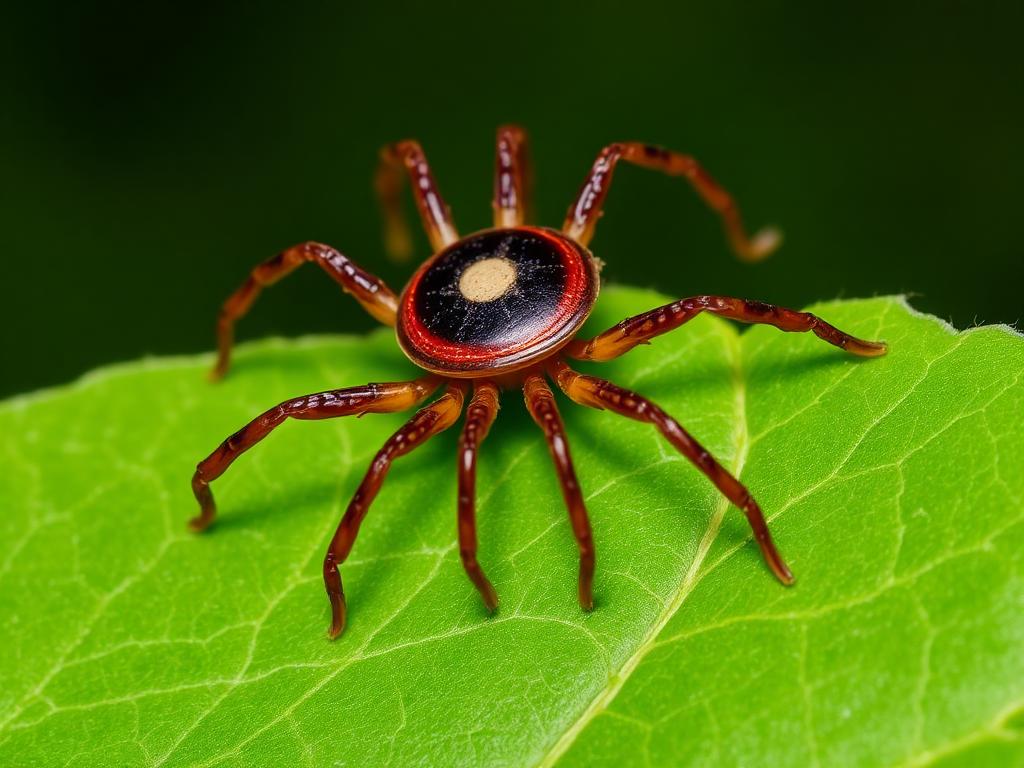
Lone star tick
Amblyomma americanum. The most common biting tick across the Southeast and a major problem in Florida, Texas and the Carolinas. Identified by the single white dot on the female's back. Aggressive biter that actively pursues hosts.

American dog tick
Dermacentor variabilis. Common in tall grass, brushy fields and along wooded trails. Identified by the ornate cream and white marbled pattern on the back. Adults bite dogs and people through spring and summer.
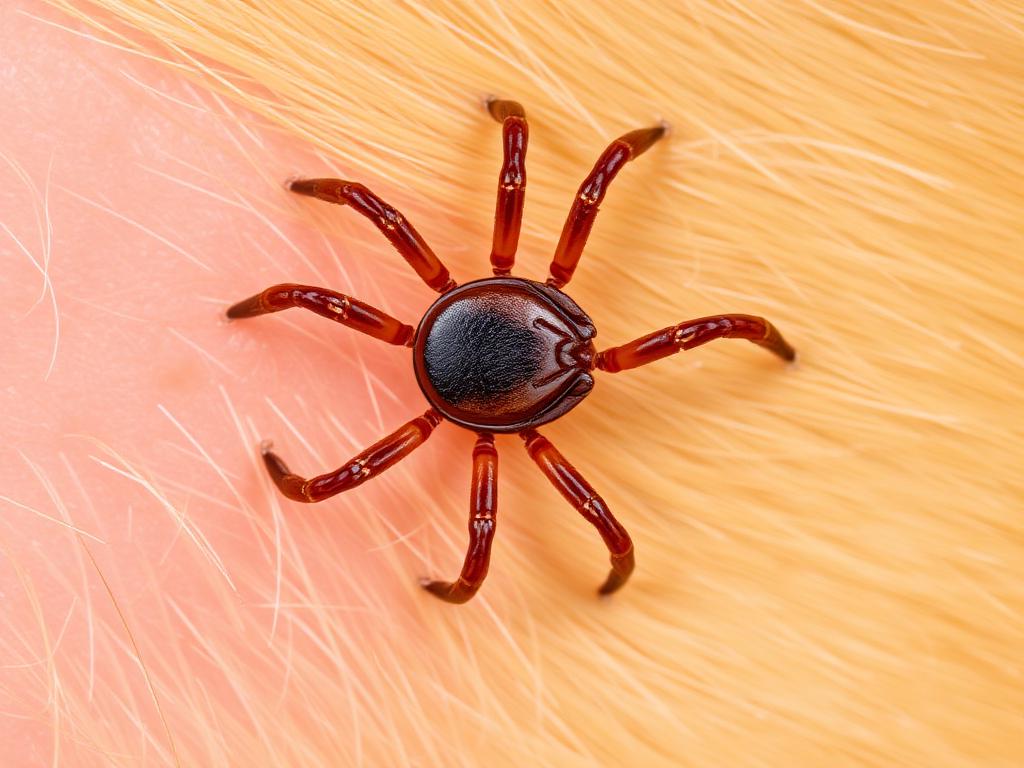
Brown dog tick
Rhipicephalus sanguineus. Uniform reddish-brown body. Unusual among ticks because it can complete its life cycle indoors, in kennels, garages and behind baseboards, which is why it's the species we most often find established inside homes with dogs.
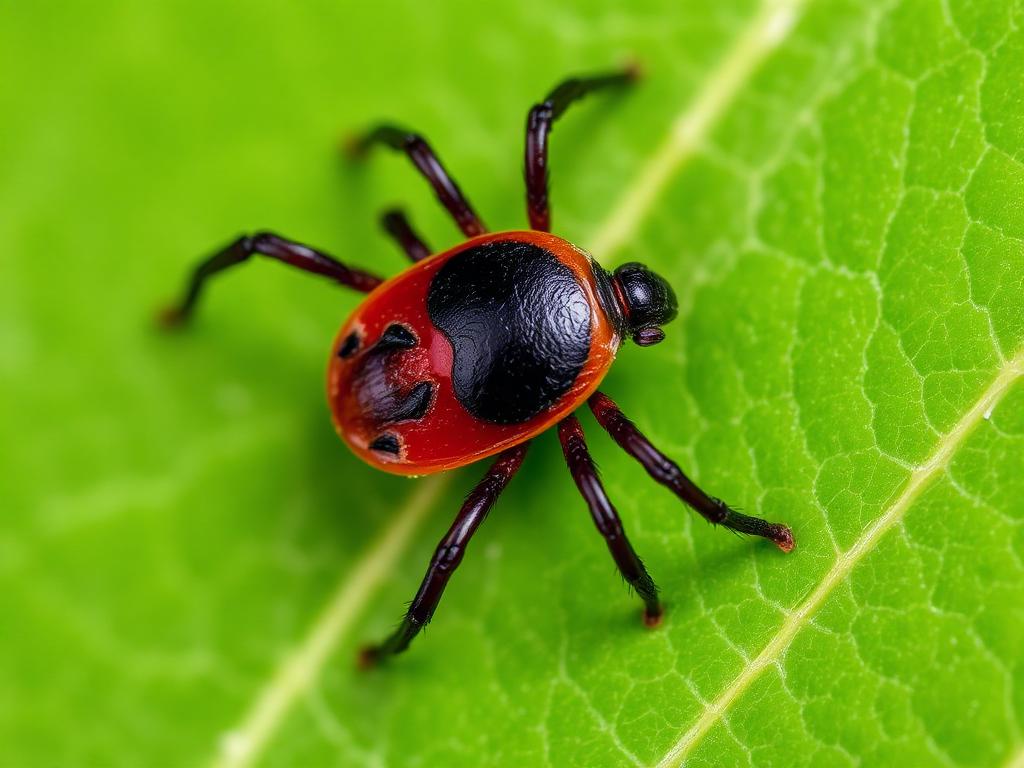
Blacklegged tick
Ixodes scapularis. Less common in our markets than the lone star or American dog tick, but found in pockets of north Florida, the Carolinas and east Texas. Tiny. Nymphs are about the size of a poppy seed.
How we work in Ridgeville
What to expect from your visit
-
01
Property inspection. Find the tick zones
Ticks don't live in open lawn, they live in the shaded transition zones at the edge of your property. Your technician walks the yard and pinpoints the high-pressure areas: shaded fence lines, leaf litter under shrubs, the edge where the yard meets woods or brush, woodpiles and stone walls.
-
02
Treat the tick harborage
We apply an EPA-registered residual to the shaded harborage where ticks actually quest for hosts, not the open lawn where direct sun and heat already kill them. Treatment focuses on fence lines, the wood line, leaf litter zones, ornamental beds, and the lower 3 feet of shrubs and brush where ticks wait for a pet or person to brush past.
-
03
Reduce conducive conditions
Animals passing through drop ticks into your yard. We point out the harborage that's holding them (woodpiles against the house, leaf litter at the fence line, brush piles, gaps under sheds and decks) and what to change so the tick population isn't constantly being restocked.
-
04
Recurring service through tick season
One spray doesn't hold against tick season. We re-treat on a recurring schedule (typically every 30–60 days through the active months in your market) to keep the residual fresh on the harborage zones.
Between visits
Prevention tips for Ridgeville homes.
A few habits between visits keep pressure down.
-
01
Keep every pet on year-round vet-prescribed flea & tick preventative.
-
02
Do full-body tick checks after time outdoors. Scalp, neck, armpits, behind the knees.
-
03
Shower within two hours of being outside and dry clothes on high for 10 minutes.
-
04
Mow short and clear leaf litter from fence lines and shrub beds.
-
05
Add a 3-ft wood-chip barrier between the lawn and any wooded edge.
Other pests we treat in Ridgeville
Dealing with more than one pest? Jump straight to the Ridgeville treatment page for what you're seeing.

Tick Control in nearby cities
FAQ
Tick Control in Ridgeville.
Quick answers to what Ridgeville homeowners ask us most.
Where do ticks actually live in my yard?
What kind of ticks do you treat?
Are tick bites dangerous? Can I get Lyme disease in Florida or Texas?
How do I check myself and my pets for ticks?
What's the right way to remove an attached tick?
Will yard treatment really get rid of ticks?
How often should the yard be treated for ticks?
Can my family and pets use the yard after tick treatment?
Why are ticks worse some years than others?
Do I really need professional tick treatment if my dog is on flea & tick medication?
What can I do between visits to reduce ticks in my yard?
How much does professional tick control cost?
Greater Charleston / Lowcountry office
Get a free quote for year-round pest control in Ridgeville.
Free quotes and estimates. Most homes can be quoted over the phone in a few minutes.
100% Guaranteed. if they're not dead, we're not done.
If they're not dead, we're not done.