Limited time: Get $75 off your initial pest control service.

See all offers →

Local pest control · Greater Charleston / Lowcountry, SC

Earwig Control in Summerville, SC

Summerville's reputation as the Flower Town in the Pines comes with dense plantings of azaleas and pines that create the shaded, moisture-retaining ground cover earwigs depend on.

  • ★★★★★ 40k+ reviews
  • Applied per label directions
  • Licensed & insured
  • 100% satisfaction, every visit

100% Guaranteed. if they're not dead, we're not done.

$75 off initial

Limited-time offer

Get $75 off your initial service.

Free estimates & quotes

No spam, ever.

Serving Summerville from our Greater Charleston / Lowcountry office

(843) 489-8818

Earwig Control built for Summerville homes

Summerville's reputation as the Flower Town in the Pines comes with dense plantings of azaleas and pines that create the shaded, moisture-retaining ground cover earwigs depend on. The loamy soils across the area include poorly drained depressions and low drainageways where moisture lingers, and with about 53 inches of rain falling annually, the wettest months running June through September push earwigs from mulched beds and leaf litter toward foundations, crawling in through weep holes, door sweeps and gaps around exterior plumbing. Freezing temperatures arrive on roughly 45 nights each year, typically from mid-November through late March, and that cool stretch drives earwigs deeper into wall voids and interior spaces. Keeping that cycle in check calls for consistent exterior treatments timed to Summerville's wet season and maintained through winter.

Direct answer

What's the best earwig control option in Summerville?

A customized plan that starts with an inspection of your home and yard, followed by targeted treatment and recurring follow-up. That is what handles Summerville's earwig pressure long-term.

The earwigs we treat across our markets in Summerville

The treatment plan changes depending on the species. Here's what we look for during your inspection.
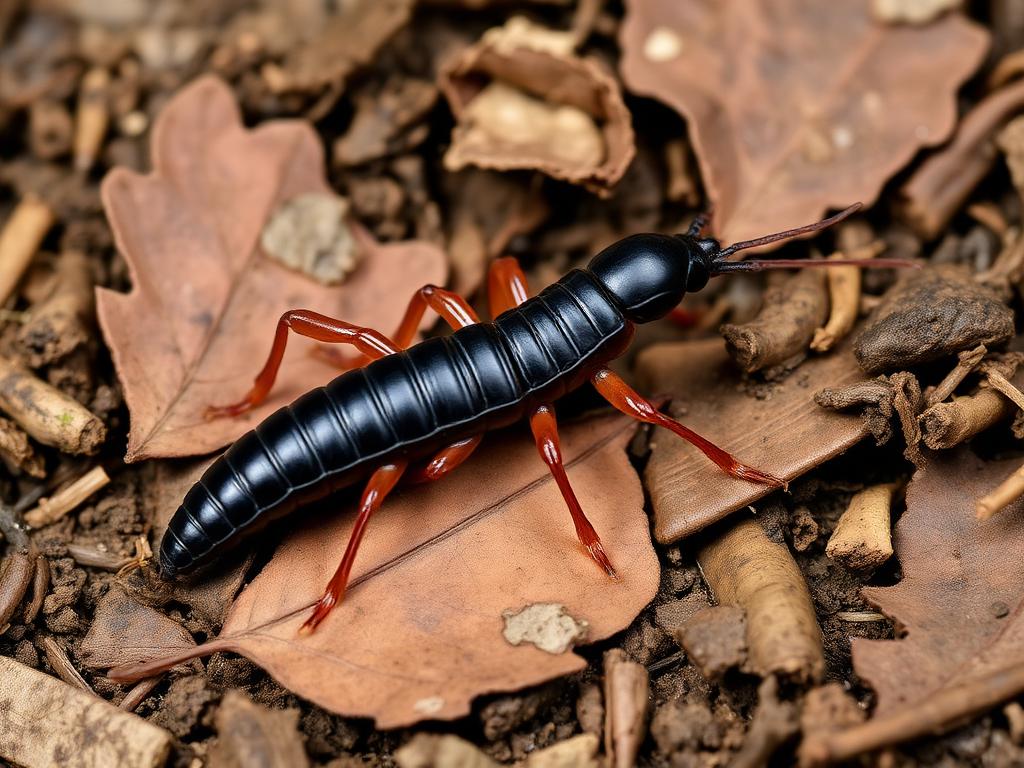
Ring-legged earwig

Euborellia annulipes. The species we find inside homes the most across the Southeast. Small, dark blackish-brown body, no functional wings, with light bands ringing the legs. Pushes inside through door sweeps, weep holes and garage thresholds, the earwig in your bathtub is almost always this one.
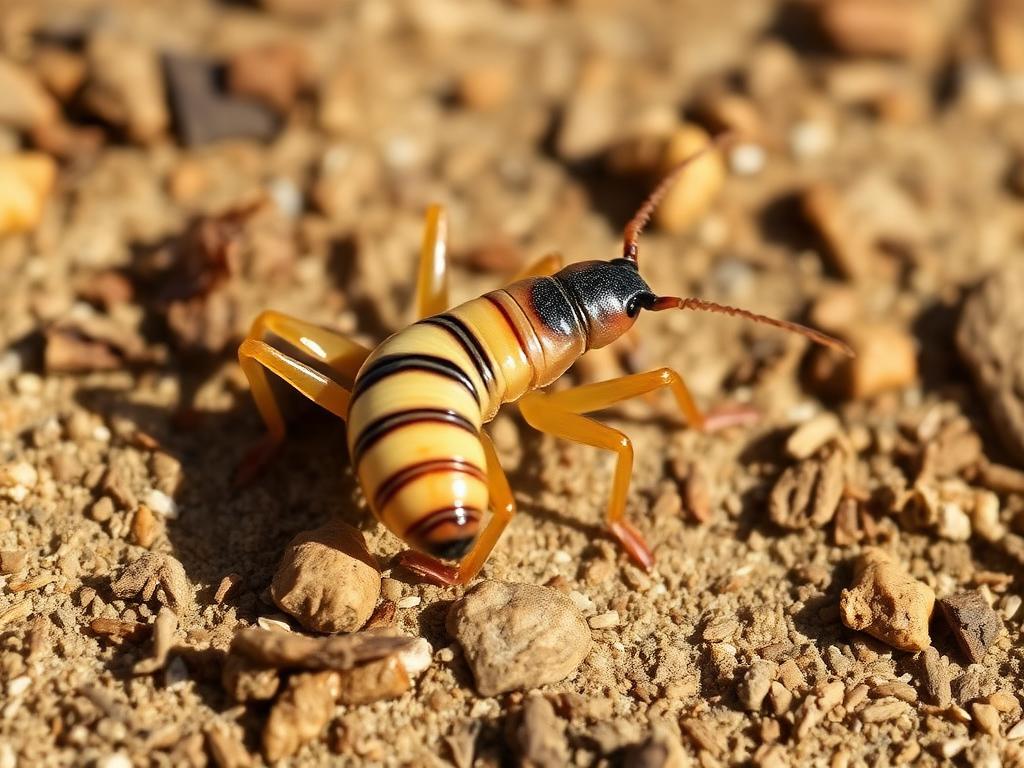
Striped earwig

Labidura riparia. Larger pale tan to yellow-brown body with two dark stripes running down the back and long curved forceps. Common in sandy yards, mulch beds and irrigated landscaping across Florida and the Gulf Coast. Builds heavy outdoor populations that push toward the structure after rain.
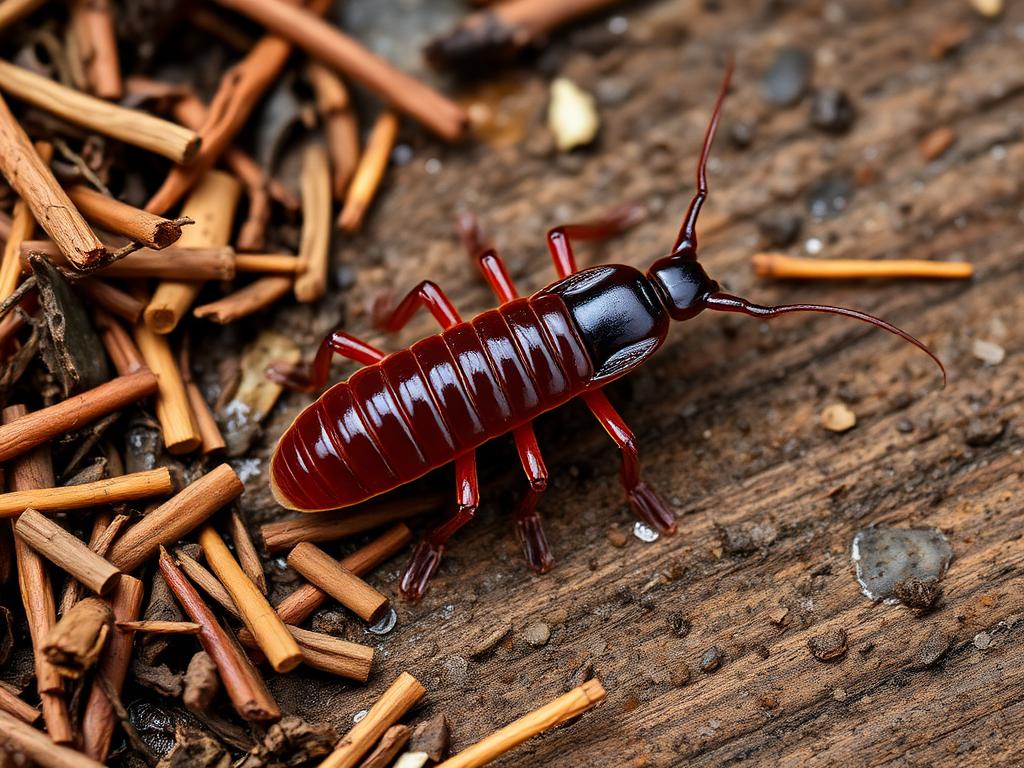
European earwig

Forficula auricularia. The classic earwig. Glossy reddish-brown body with the dramatic curved pincers. More common in cooler northern climates but shows up across our markets in mulch beds, leaf litter and damp wood debris. Male pincers are heavily curved; female pincers are nearly straight.

How we work in Summerville

What to expect from your visit

100% Guaranteed
  1. 01

    Inspection. Perimeter, mulch line & moisture sources

    Earwigs are an exterior pest that pushes inside when conditions force them to. Your technician walks the foundation, mulch beds, pine straw, irrigation zones, A/C condensate areas, downspout splash zones, weep holes, door sweeps, garage thresholds and the spots inside (bathrooms, laundry, kitchens, garages) where you've been finding them, so we know which side of the wall the population is actually living on.

  2. 02

    Treat the harborage outside, not just the floor inside

    We treat the mulch line, foundation perimeter, ornamental beds, the underside of decking and the dark damp zones along the slab where earwigs cluster during the day. A targeted exterior residual on the surfaces they walk across does the work. Earwigs pick up a lethal dose long before they reach your door sweep.

  3. 03

    Seal the entry points & address moisture

    We point out the door sweeps, weep holes, garage thresholds, soffit gaps and plumbing penetrations they're using to push inside, plus the moisture conditions (irrigation overspray on the foundation, downspouts dumping at the slab, mulch piled against the siding, leaking hose bibs) that are concentrating earwigs against the house in the first place. Treatment alone won't hold if the perimeter stays soaking wet.

  4. 04

    Recurring exterior service

    Earwig pressure rebuilds quickly after rain, since they constantly recolonize the perimeter from neighboring yards, mulch and irrigation. Recurring exterior service keeps the residual fresh on the harborage zones and pushes new arrivals back before they reach the structure.

Between visits

Prevention tips for Summerville homes.

A few habits between visits keep pressure down.

  • 01

    Pull mulch and pine straw back 12 inches from the foundation.

  • 02

    Adjust irrigation heads so they don't spray the foundation wall.

  • 03

    Replace worn door sweeps and the garage door bottom seal.

  • 04

    Move firewood and bagged mulch 20 ft from the house.

  • 05

    Switch exterior bulbs to yellow LED to cut nighttime insect traffic.

FAQ

Earwig Control in Summerville.

Quick answers to what Summerville homeowners ask us most.

Does Summerville's rainy season make pest pressure worse around the house?
It can. Summerville averages around 53 inches of rain a year, with June through September the wettest stretch. That sustained moisture drives ants, cockroaches, millipedes and other covered pests to seek higher, drier ground, which often means the inside of your home. A year-round program helps interrupt that pattern before it becomes a recurring problem each summer.
Do pests really stay active through Summerville's winters?
Summerville averages about 45 nights a year at or below freezing, with frost possible from mid-November into late March. That cool season slows some pest activity outdoors, but it also pushes spiders, silverfish, earwigs and similar pests inside seeking warmth. Keeping your program active through winter prevents those pests from getting established before pressure builds again in spring.
Do earwigs really crawl into people's ears?
No. That's an old myth the name comes from, and it's not how earwigs behave. Earwigs are looking for damp, dark, tight harborage. An ear is none of those things on a regular basis. They aren't parasitic, they don't lay eggs in human ears and they have no interest in people. They want mulch, leaf litter, the underside of a wet board and the cool dark crack between your slab and your siding.
Are earwig pincers dangerous? Will they bite me?
Earwigs aren't biters, and the pincers on the back of the abdomen aren't a stinger. A large earwig can give a small defensive pinch if you grab it bare-handed, which is startling but rare. The pincers are mostly used for prey capture, defense against other insects and mating displays.
Why am I suddenly seeing earwigs in my house after rain?
Earwigs live in the wet harborage right against your foundation. Mulch, pine straw, leaf litter, the underside of stones and the dark crack at the slab. When the soil floods after heavy rain, or when conditions swing the other way and the ground dries out fast, the harborage stops working and the population pushes inside through door sweeps, weep holes, garage thresholds and any plumbing or A/C line gap they can find. It's almost always weather-driven and almost always a sign your perimeter is too wet too often.
Where are the earwigs in my house actually coming from?
From outside. Almost always within a few feet of the foundation. The biggest sources we find on inspections: thick wet mulch piled against the siding, pine straw beds along the front of the house, irrigation hitting the foundation wall, downspouts dumping next to the slab, dense ground cover and bromeliads at the foundation, the underside of decking, stacked firewood against the house, and rotting wood trim or door frames. The earwigs you're seeing in the bathroom or laundry room came in from one of those zones, not from the drain, and not from indoors.
What do earwigs eat?
They're omnivorous scavengers. Outside they feed on decaying plant material, soft seedlings, flower petals (especially marigolds, dahlias, zinnias and hostas), fruit on the ground, mosses, algae, other small insects and the eggs of garden pests like aphids, which is why some gardeners actually consider them mildly beneficial. Indoors they don't really feed on much; they're hiding, not foraging. Indoor earwigs are a sign of an outdoor population pushing inside, not an indoor food source.
Will earwigs damage my home like termites or roaches?
No. Earwigs don't chew wood, structural materials or stored food, and they don't reproduce indoors at any meaningful rate the way roaches or silverfish do. The damage they cause is in the garden. Chewed seedlings and ragged holes in flower petals and ornamentals, and in the nuisance category indoors: finding them in bathtubs, kitchen sinks, laundry rooms and garages. The bigger story they tell is that your foundation perimeter is staying wet enough to support a heavy population.
Do earwigs reproduce indoors?
Almost never. Earwigs lay their eggs in shallow chambers in damp soil, not in your wall voids, and the female actually guards the eggs and the first-instar nymphs in that chamber, which is unusual for an insect. The earwigs you find inside are adults pushed in from the exterior population. Get the perimeter conditions and the residual right, and the indoor sightings stop because the source population outside is being controlled.
What kinds of earwigs are common in Florida, Texas and South Carolina?
Across our markets you'll see three main species. The ring-legged earwig (Euborellia annulipes) is the most common one inside homes. Small, dark, no functional wings, with light bands ringing the legs. The striped earwig (Labidura riparia) is a larger pale tan species with two dark stripes down the back, common in sandy soil and outdoor harborage. The European earwig (Forficula auricularia) is the classic reddish-brown earwig with the dramatic curved pincers most people picture. Treatment is the same across all three, the differences only matter for ID.
Do over-the-counter sprays and bug bombs work on earwigs?
Foggers don't do anything for earwigs. Earwigs live outside and the fog never gets to them. Hardware-store perimeter sprays can knock down individual earwigs you spot but rarely hold a residual long enough on mulch and damp soil to control the recurring population pressure. The thing that actually works is a professional residual on the foundation, mulch line and harborage zones, paired with sealing the entry points and pulling moisture away from the slab. That's a recurring exterior service, not a one-can fix.
How long after treatment until I stop seeing earwigs inside?
Most homes see indoor sightings drop within the first couple of weeks after the perimeter is treated. Weather-driven pushes (heavy rain, drought, irrigation overspray) can still send a few earwigs to the door sweep over the following weeks, which is why we recommend recurring exterior service through the warm months. Fixing moisture conditions at the foundation helps the results hold.
Can my family and pets use the yard after earwig treatment?
Yes, once treated areas have fully dried, as directed. Products are EPA-registered and applied according to label directions to the exterior foundation, mulch line and exterior harborage, not across living areas, vegetable beds or play surfaces. Tell your technician about gardens, ponds or backyard animals so the application can be planned around them.
Will earwigs damage my flower beds and vegetable garden?
They can. Earwigs feed on soft seedlings, transplants and flower petals, usually overnight, leaving small ragged holes. If certain beds are affected, tell your technician and we'll target the harborage around them.

Greater Charleston / Lowcountry office

Get a free quote for year-round pest control in Summerville.

Free quotes and estimates. Most homes can be quoted over the phone in a few minutes.

100% Guaranteed. if they're not dead, we're not done.

If they're not dead, we're not done.