
Local pest control · Southwest Florida, FL
Silverfish Control in Whiskey Creek, FL
Silverfish covered under your year-round program, focused on the humid spaces they favor.
- ★★★★★ 40k+ reviews
- Applied per label directions
- Licensed & insured
- 100% satisfaction, every visit
100% Guaranteed. if they're not dead, we're not done.
Limited-time offer
Get $75 off your initial service.
Free estimates & quotes
No spam, ever.
Serving Whiskey Creek from our Southwest Florida office
239-686-0689Silverfish Control built for Whiskey Creek homes
Silverfish covered under your year-round program, focused on the humid spaces they favor.
Direct answer
What's the best silverfish control option in Whiskey Creek?
The silverfish & firebrats we treat across our markets in Whiskey Creek
The treatment plan changes depending on the species. Here's what we look for during your inspection.
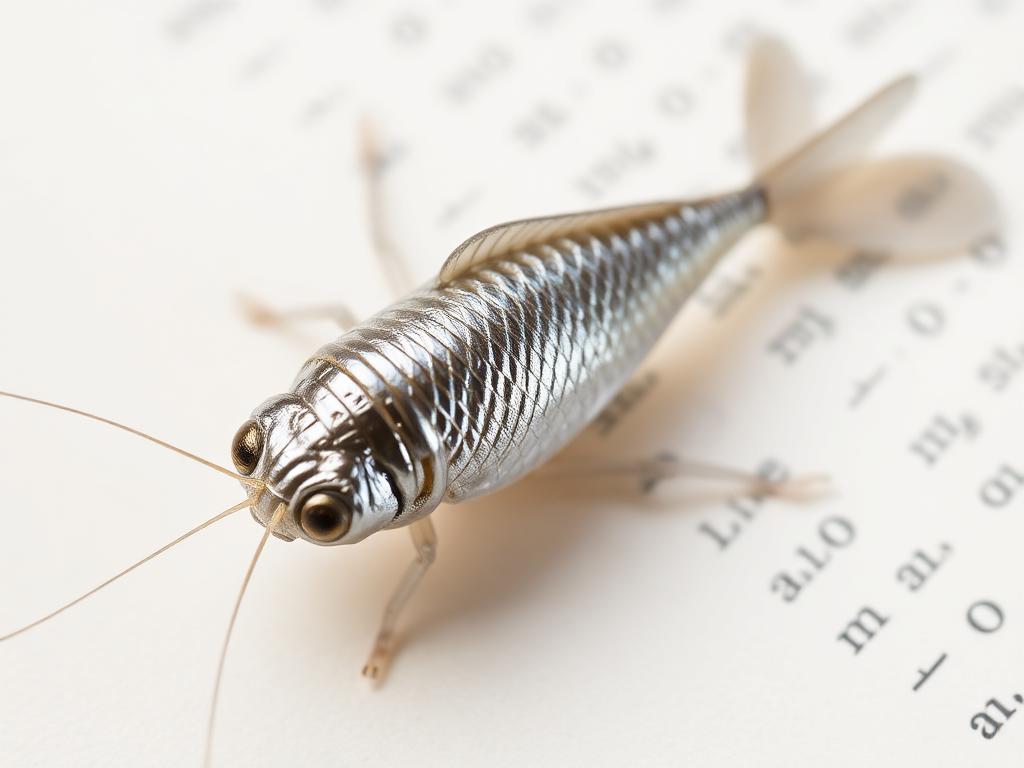
Common silverfish
Lepisma saccharina. The classic silvery-gray, fish-shaped insect most people picture. Prefers cool, damp, dark areas: bathrooms, basements, attic edges and under sinks. Thrives at 70–80°F and 75%+ humidity. Eats paper, book bindings, wallpaper paste, dry pet food and starched fabric.
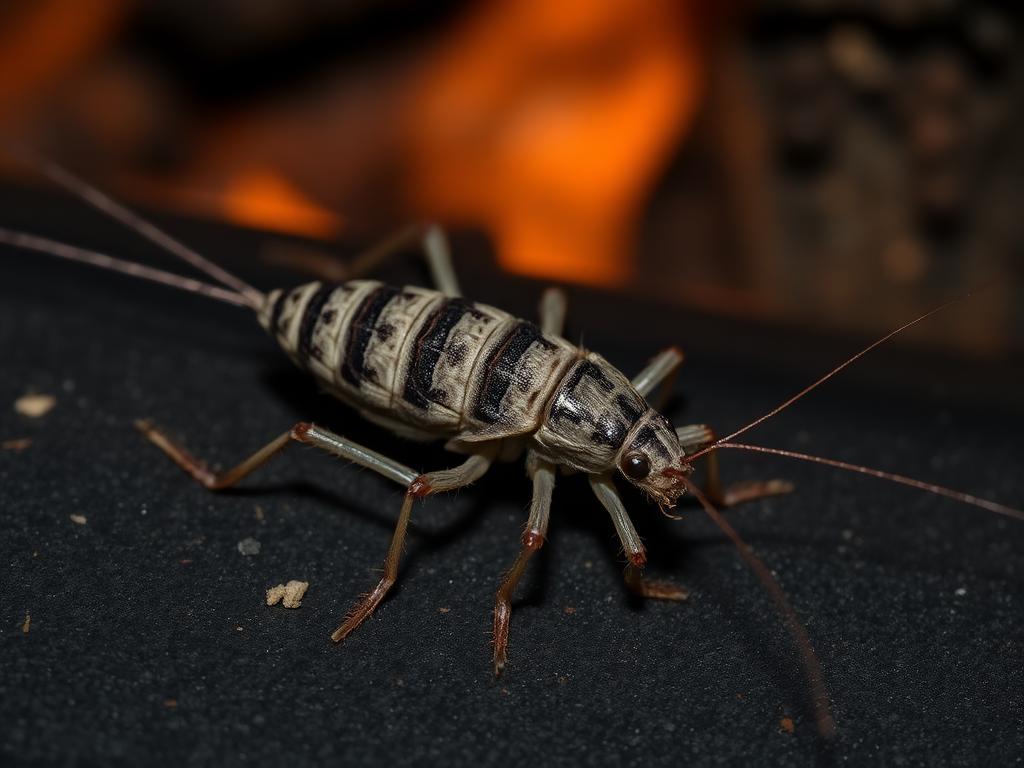
Firebrat
Thermobia domestica. Mottled gray-brown with darker patches. Easy to confuse with a silverfish but darker and rougher looking. Prefers hot, humid harborage: around water heaters, furnaces, behind ovens and dishwashers, and inside attic spaces above heated rooms. Thrives at 90°F+ and high humidity.
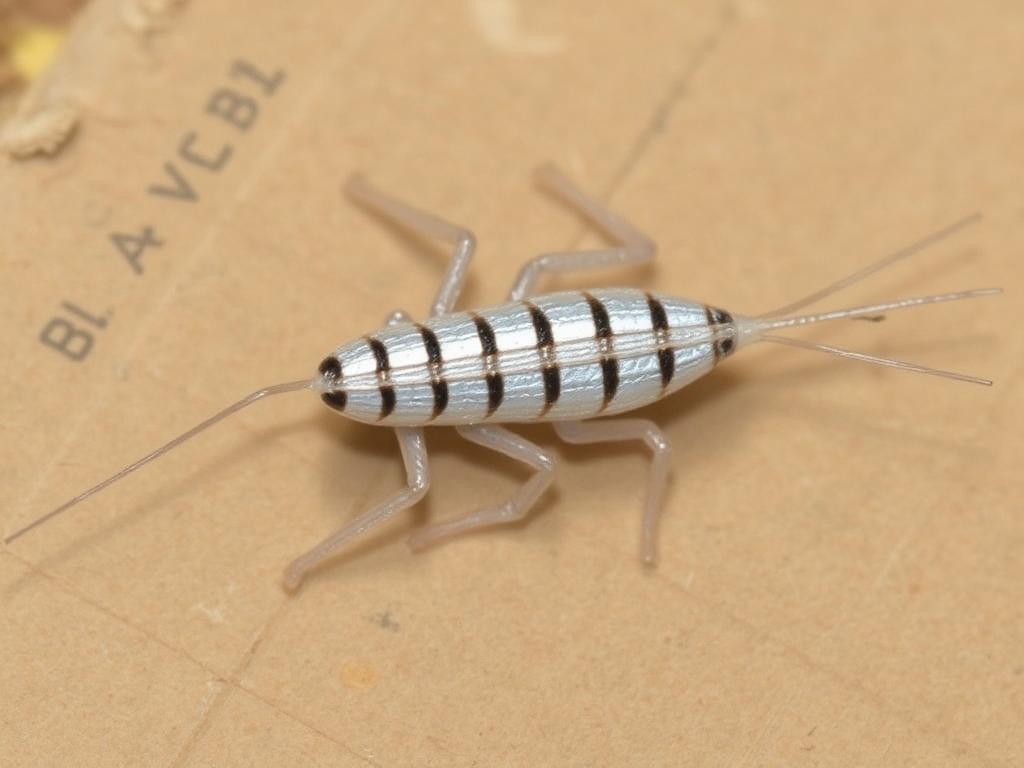
Four-lined silverfish
Ctenolepisma lineata. Silvery body with four faint dark stripes running lengthwise down the back. Common in attics, garages, sheds and outdoor harborage like leaf litter under siding and inside shake-shingle roofs. Tolerates lower humidity than the common silverfish and is often what we find in Florida and Texas attics.
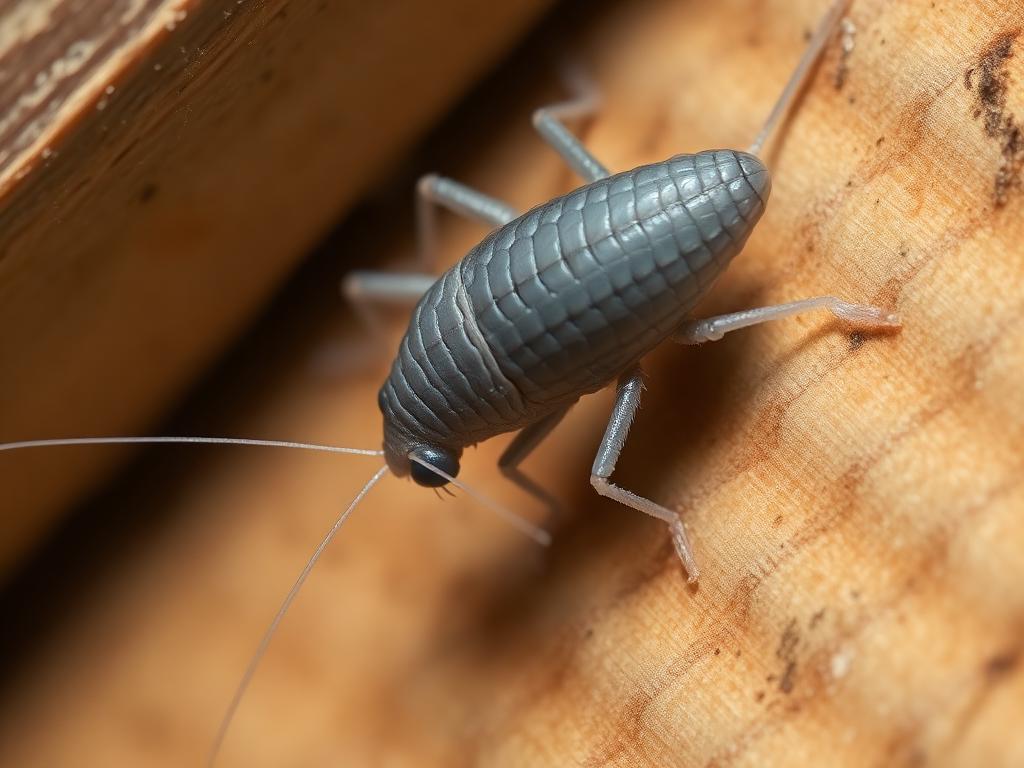
Gray silverfish
Ctenolepisma longicaudata. Larger than common silverfish (up to ¾ inch), uniform dull gray, with very long antennae and tail filaments. The most damaging indoor species. Eats through paper, books, photographs and stored fabric quickly. Spreading across the southern U.S. and increasingly common in attic and storage harborage.
How we work in Whiskey Creek
What to expect from your visit
-
01
Inspection. Find the moisture, find the harborage
Silverfish are a moisture and humidity problem before they're a bug problem. Your technician walks the attic, bathrooms, kitchen, laundry room, garage, closets, bookshelves, storage areas and the exterior, looking for the warm, humid, undisturbed harborage where silverfish actually live, and identifies which species is active.
-
02
Address moisture & humidity
Silverfish need high humidity to thrive and reproduce. We document the moisture sources feeding the population (slow plumbing leaks, poor attic ventilation, missing bath fans, condensation lines, gutters dumping at the foundation) and give you a clear list of what to fix. Treatment alone won't hold if the harborage stays humid.
-
03
Targeted treatment of attics, voids & cracks
We apply a residual dust (silica or borate-based) into the attic, wall voids, behind baseboards, around plumbing penetrations, behind bookshelves and inside closet shelving, the cracks and crevices where silverfish actually hide. Dusts hold for months in dry voids and don't break down like sprays do. We pair that with bait stations and crack-and-crevice treatment in active rooms and a perimeter residual outside.
-
04
Recurring service & follow-up
Silverfish breed slowly compared to roaches and ants, but their eggs and nymphs ride out the first treatment in protected harborage and emerge over the following weeks. Recurring service refreshes the residual, monitors the population and lets your technician confirm the moisture work is holding.
Between visits
Prevention tips for Whiskey Creek homes.
A few habits between visits keep pressure down.
-
01
Run bath fans during showers and 20–30 minutes after.
-
02
Aim for indoor humidity under 50%. A dehumidifier in basements pays off fast.
-
03
Fix slow leaks under sinks, tubs and at the dishwasher line.
-
04
Store paper and starched fabric in sealed bins, not bare cardboard.
-
05
Don't keep cardboard moving boxes long-term. Silverfish eat the glue.
Other pests we treat in Whiskey Creek
Dealing with more than one pest? Jump straight to the Whiskey Creek treatment page for what you're seeing.
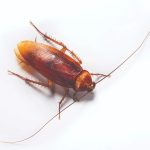
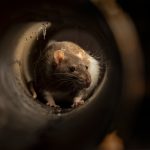

Silverfish Control in nearby cities
- Silverfish Control in Ave Maria, FL
- Silverfish Control in Bayshore Gardens, FL
- Silverfish Control in Bonita Springs, FL
- Silverfish Control in Bradenton, FL
- Silverfish Control in Buckingham, FL
- Silverfish Control in Cape Coral, FL
- Silverfish Control in Charlotte County, FL
- Silverfish Control in Charlotte Harbor, FL
FAQ
Silverfish Control in Whiskey Creek.
Quick answers to what Whiskey Creek homeowners ask us most.
What exactly is a silverfish, and is it the same as a firebrat?
Do silverfish bite?
Why do silverfish keep showing up in my bathtub or sink?
What do silverfish eat?
How fast do silverfish reproduce?
What's the difference between silverfish damage and other pest damage?
Will sealing up cracks and reducing humidity actually fix this?
How long until I stop seeing silverfish after treatment?
Where do silverfish hide in my house?
Do over-the-counter sprays or foggers work on silverfish?
Can I keep silverfish out of my stored books, photos and important paperwork?
Can my family and pets be home after silverfish treatment?
Southwest Florida office
Get a free quote for year-round pest control in Whiskey Creek.
Free quotes and estimates. Most homes can be quoted over the phone in a few minutes.
100% Guaranteed. if they're not dead, we're not done.
If they're not dead, we're not done.