
Local pest control · Greater Tampa Bay, FL
Millipede & Centipede Control in Zephyrhills, FL
Millipedes and centipedes handled as part of your ongoing perimeter treatment.
- ★★★★★ 40k+ reviews
- Applied per label directions
- Licensed & insured
- 100% satisfaction, every visit
100% Guaranteed. if they're not dead, we're not done.
Limited-time offer
Get $75 off your initial service.
Free estimates & quotes
No spam, ever.
Serving Zephyrhills from our Greater Tampa Bay office
813-473-2954Millipede & Centipede Control built for Zephyrhills homes
Millipedes and centipedes handled as part of your ongoing perimeter treatment.
Direct answer
What's the best millipede & centipede control option in Zephyrhills?
Millipedes & centipedes we treat across our markets in Zephyrhills
The treatment plan changes depending on the species. Here's what we look for during your inspection.
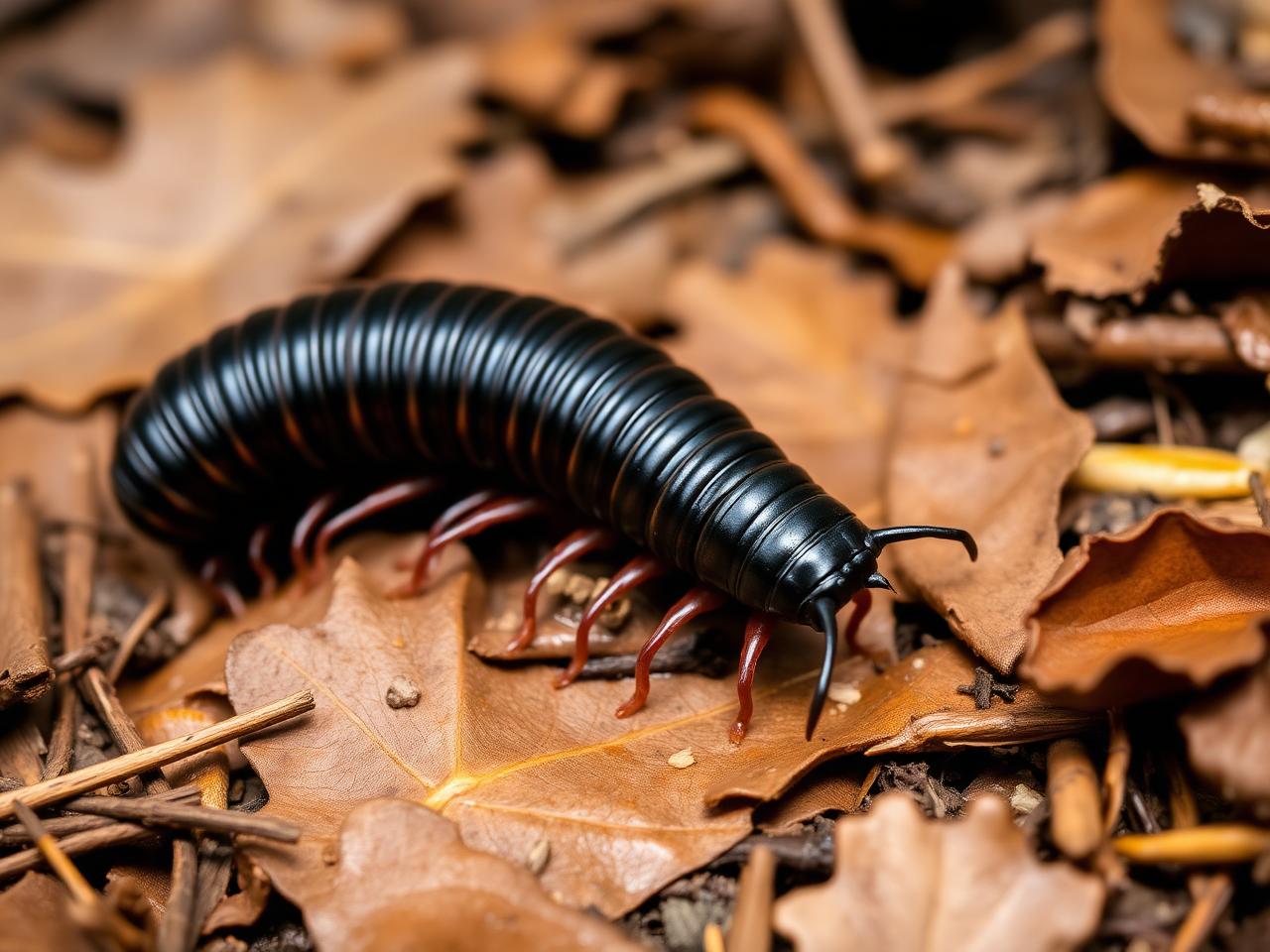
American giant millipede
Narceus americanus and close relatives. The big slow cylindrical millipede most homeowners picture. Up to 4 inches long, glossy black to dark brown with subtle red bands. Two pairs of legs per segment. Curls into a tight defensive spiral when disturbed. Driven onto homes by spring and fall rains.
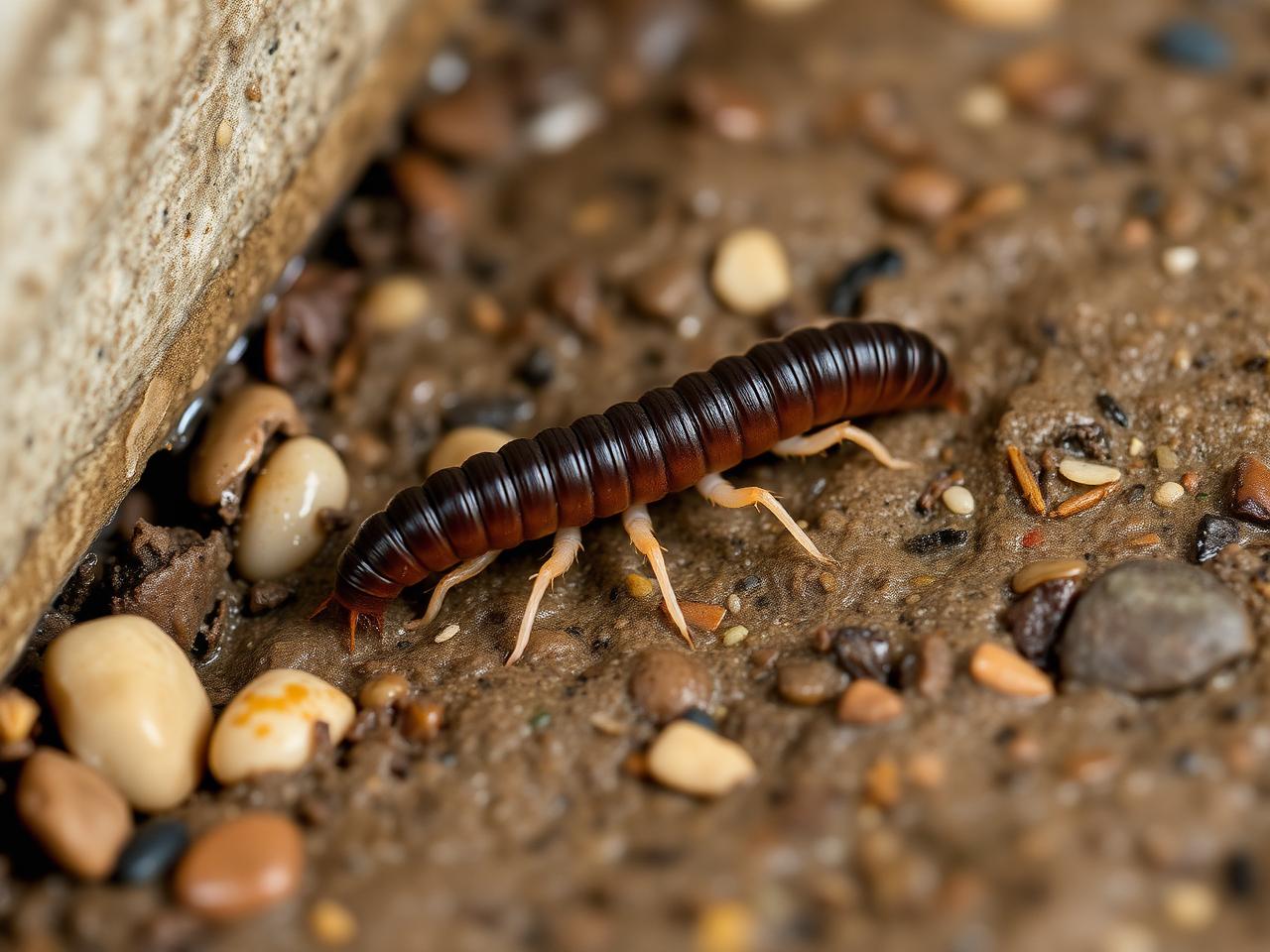
Greenhouse millipede
Oxidus gracilis. Small (under 1 inch), slender, reddish-brown with a flatter back and pale legs. The species behind most of the mass-migration events that put hundreds of millipedes on garage doors and foundation walls overnight. Common across the Southeast and Gulf Coast.
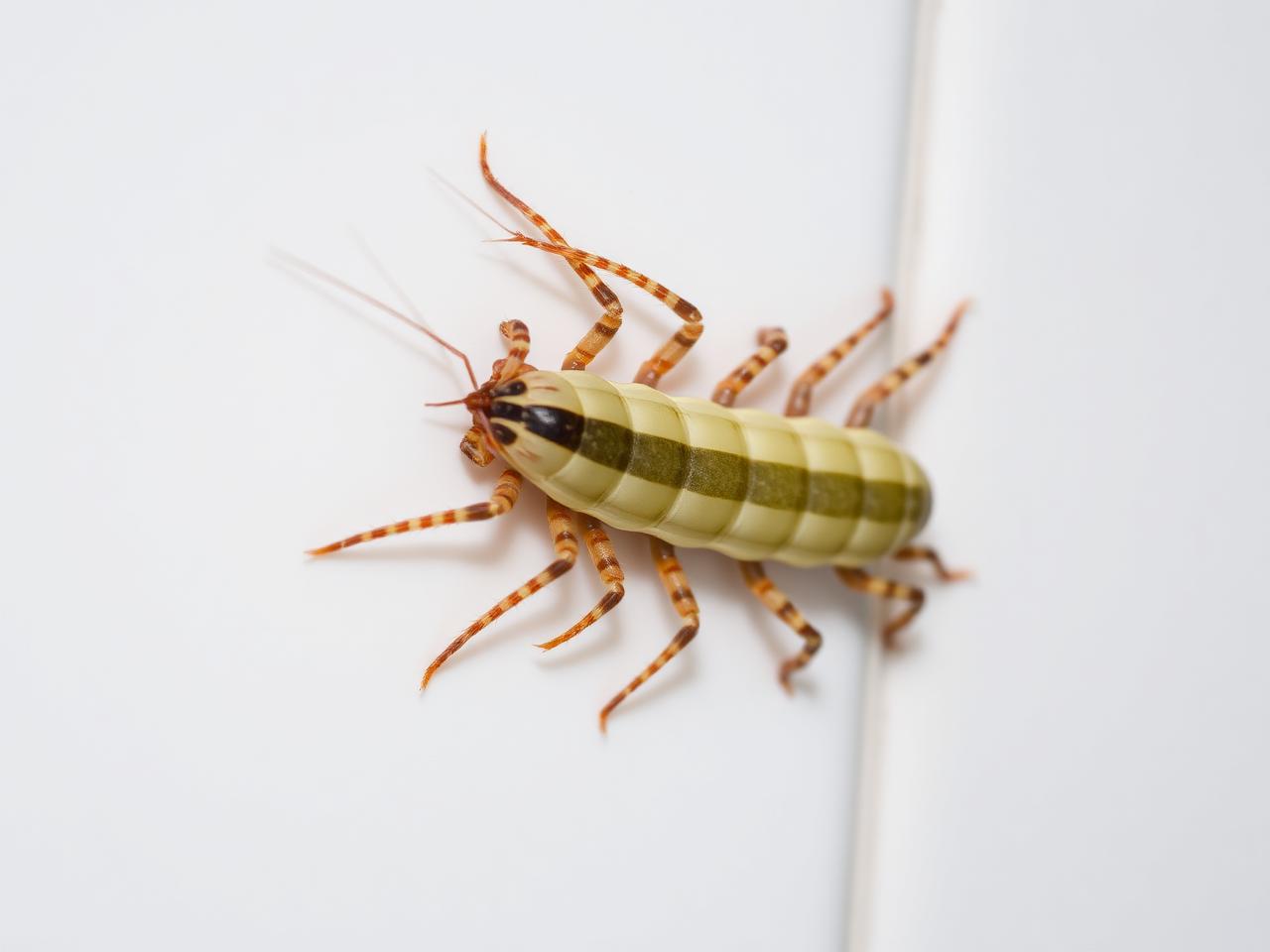
House centipede
Scutigera coleoptrata. The fast, leggy centipede in your bathroom and basement. Pale yellow-gray body with three dark stripes, 15 pairs of long delicate legs and very long antennae. Hunts silverfish, roaches and spiders, so it only stays where the food source is.
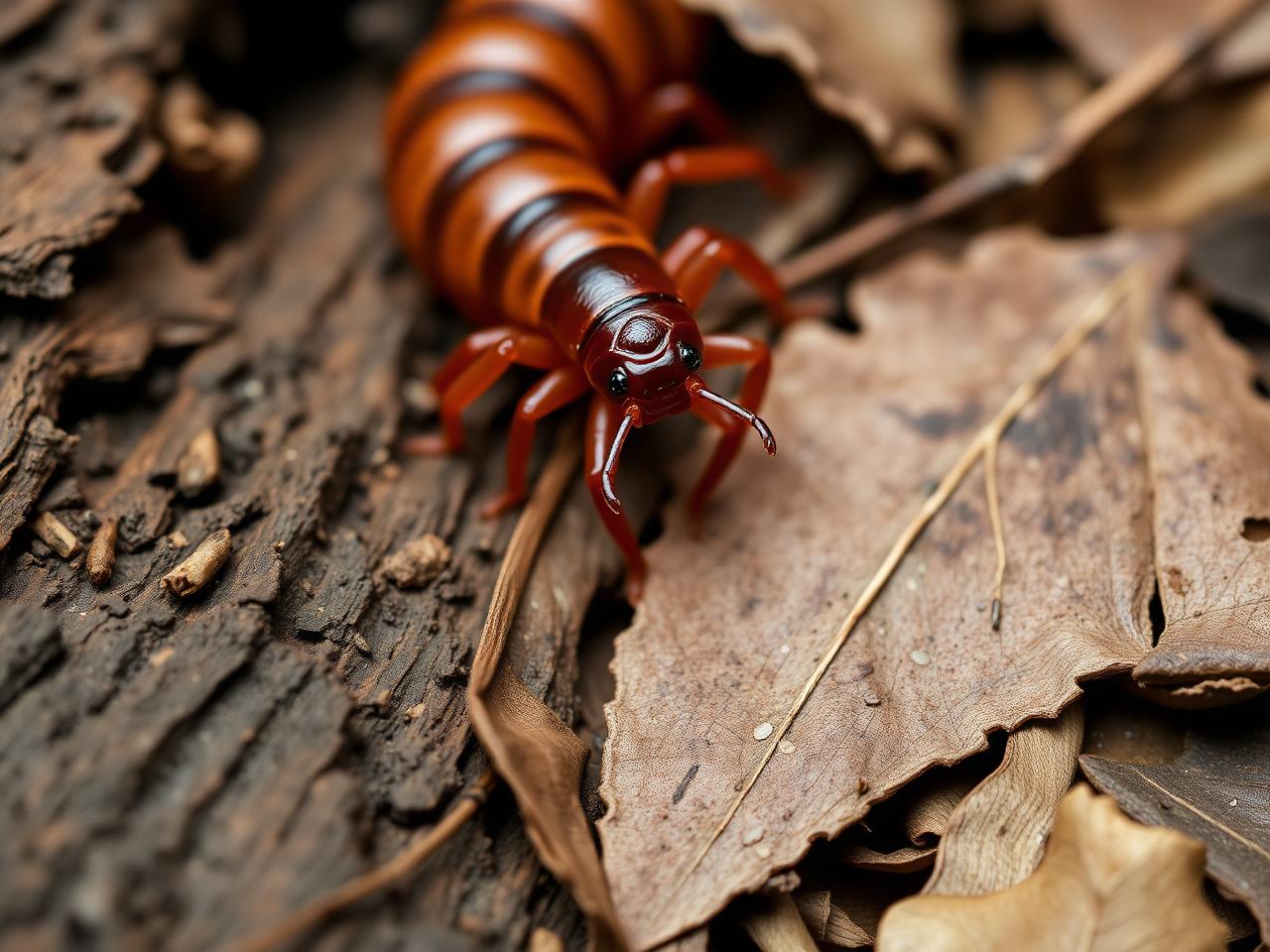
Bark / soil centipede
Native outdoor centipedes. Flat reddish-brown body and one pair of legs per segment. Lives outdoors under bark, stones, mulch and rotting wood. Pushes inside through gaps after rain or when habitat dries out.
How we work in Zephyrhills
What to expect from your visit
-
01
Inspection. Moisture, mulch line & entry points
Millipedes and centipedes are exterior pests pushed inside by weather. Your technician walks the foundation, mulch beds, pine straw, leaf litter, irrigation zones, downspout splash points, weep holes, door sweeps, garage thresholds, A/C line sets and the rooms inside (bathrooms, garages, laundry, lower-level living spaces) where you've been finding them. Identifying which species is active matters. House centipedes living indoors get treated differently than millipedes mass-migrating in from the mulch.
-
02
Treat the foundation, mulch line & exterior harborage
We apply a targeted residual to the foundation perimeter, mulch beds, pine straw, the underside of decking and the dark damp zones right against the slab, where millipedes and centipedes spend the day. The same application also knocks back the smaller arthropods centipedes are hunting, so the food source goes down with the predator.
-
03
Seal entry points & dry out the perimeter
We flag the worn door sweeps, gaps under garage doors, weep holes without screens, plumbing penetrations and A/C line set entries the population is using to push inside, plus the moisture conditions concentrating them against the house. Irrigation hitting the foundation, downspouts dumping at the slab, mulch piled against siding, leaking hose bibs. Treatment doesn't hold if the slab stays soaking wet.
-
04
Recurring exterior service
Millipede pressure rebuilds fast. Heavy rain in spring and fall triggers mass migrations that can put hundreds of them against the house overnight. Recurring exterior service keeps the residual fresh through the warm rainy months so new arrivals are knocked down at the perimeter before they reach the door sweep.
Between visits
Prevention tips for Zephyrhills homes.
A few habits between visits keep pressure down.
-
01
Pull mulch and leaf litter back 12 inches from the foundation.
-
02
Adjust irrigation away from the foundation wall and extend downspouts.
-
03
Rake up leaf litter under shrubs in spring and fall.
-
04
Replace door sweeps and the garage door bottom seal.
-
05
Move firewood and bagged mulch 20 ft from the house.
Other pests we treat in Zephyrhills
Dealing with more than one pest? Jump straight to the Zephyrhills treatment page for what you're seeing.

Millipede & Centipede Control in nearby cities
- Millipede & Centipede Control in Bayonet Point, FL
- Millipede & Centipede Control in Brandon, FL
- Millipede & Centipede Control in Citrus Park, FL
- Millipede & Centipede Control in Clearwater, FL
- Millipede & Centipede Control in Dunedin, FL
- Millipede & Centipede Control in East Lake, FL
- Millipede & Centipede Control in East Lake-Orient Park, FL
- Millipede & Centipede Control in Egypt Lake-Leto, FL
FAQ
Millipede & Centipede Control in Zephyrhills.
Quick answers to what Zephyrhills homeowners ask us most.
What's the difference between a millipede and a centipede?
Do millipedes or centipedes bite?
Why am I suddenly seeing millipedes everywhere after rain?
Where are these millipedes and centipedes coming from?
Will millipedes damage my home or garden like termites or roaches?
Should I really be worried about house centipedes?
Do millipedes reproduce inside my house?
Why do dead millipedes keep piling up along my garage door and foundation?
Do over-the-counter sprays and bug bombs work on millipedes and centipedes?
How long after treatment until I stop seeing them inside?
Can my family and pets use the yard after treatment?
What can I do to slow down a millipede migration?
Greater Tampa Bay office
Get a free quote for year-round pest control in Zephyrhills.
Free quotes and estimates. Most homes can be quoted over the phone in a few minutes.
100% Guaranteed. if they're not dead, we're not done.
If they're not dead, we're not done.